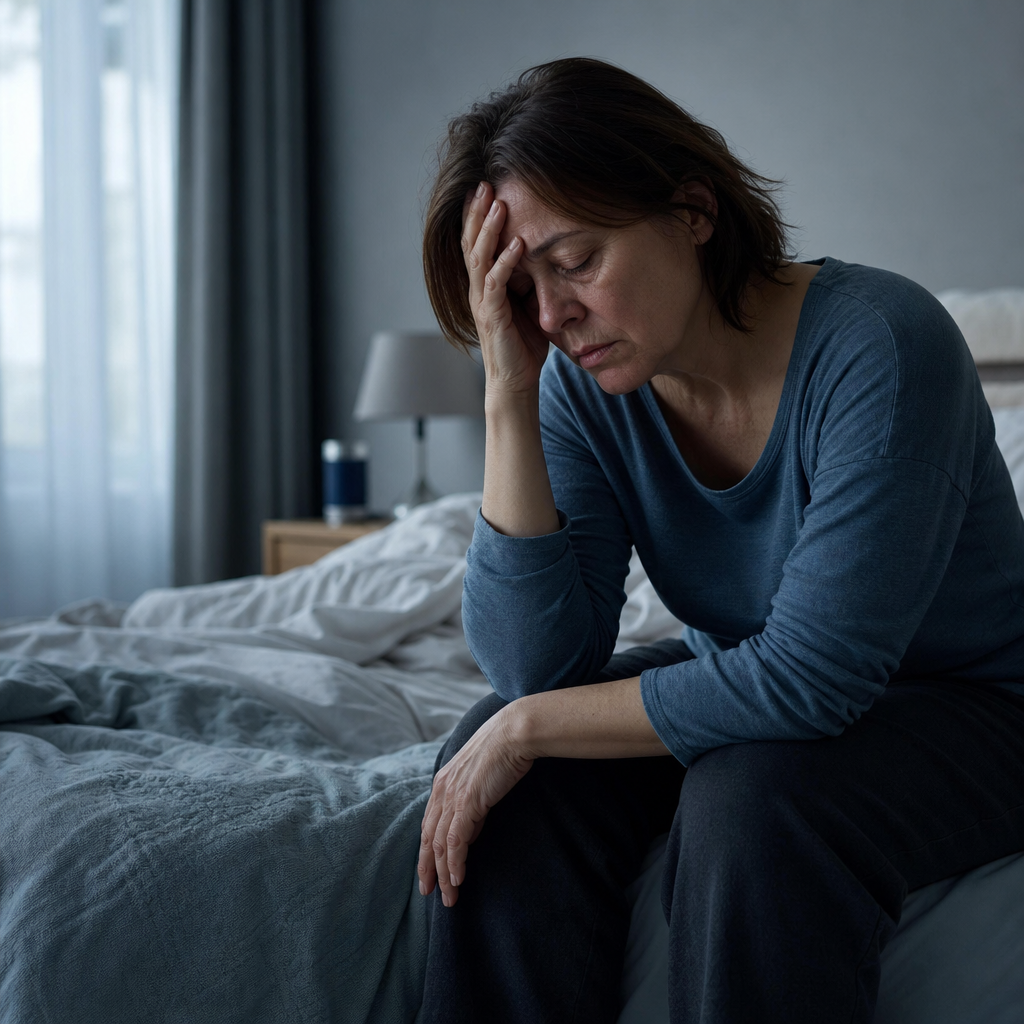
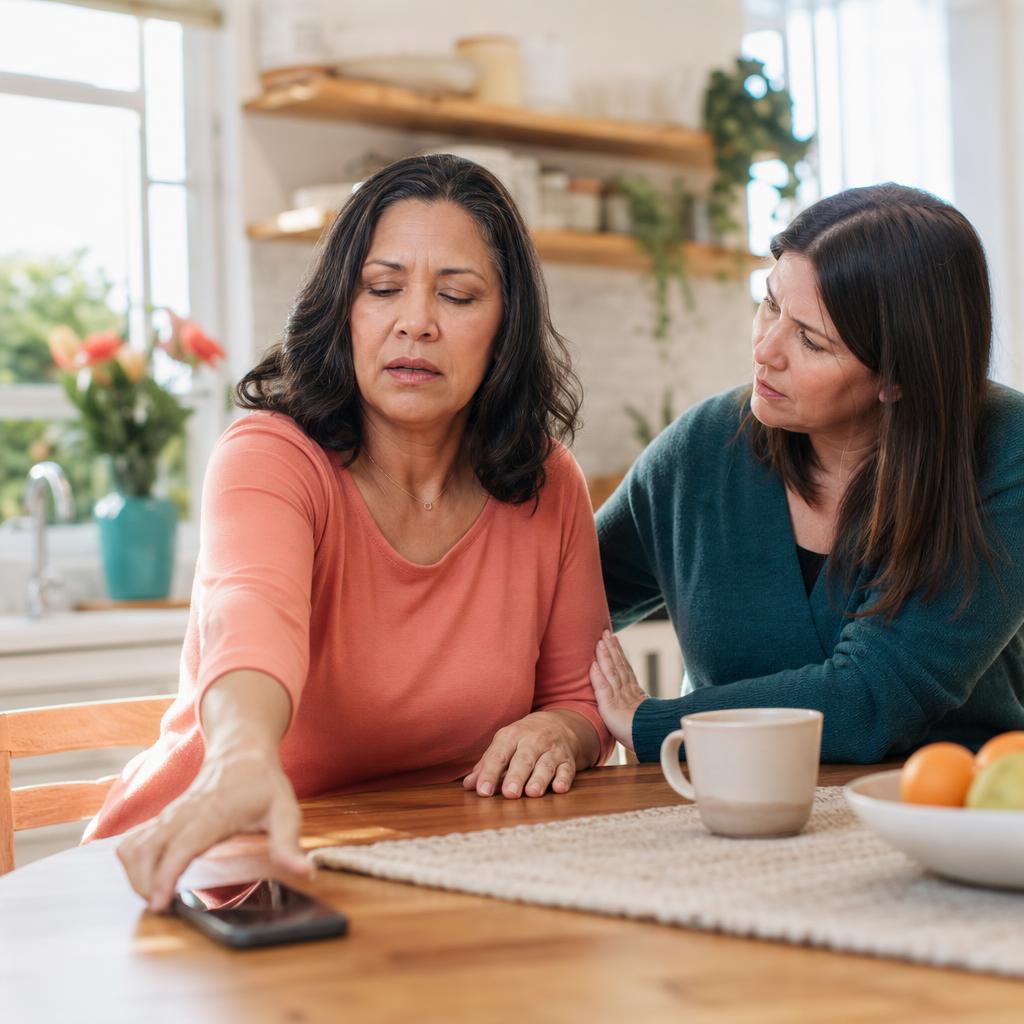
Why Do I Feel Worse Months After My Stroke?
Fatigue, brain fog, anxiety and other symptoms may become more noticeable as you return to everyday life. Learn why and when to seek help.

By Angie Read
Stories, tips, and insights from our community of stroke survivors. Real experiences, real advice, real hope.
42 articles available

Fatigue, brain fog, anxiety and other symptoms may become more noticeable as you return to everyday life. Learn why and when to seek help.
By Angie Read

Bladder and bowel problems can happen after stroke. Learn why, what may help, when to seek care and why there is no shame in using support.
By Angie Read

Learn why sudden crying, laughing and intense emotions can happen after stroke, how emotional lability differs from depression and PBA, and what can help.
By Angie Read

Learn why anger, irritability and emotional outbursts can happen after stroke, ways to cope and when to seek professional help.
By Angie Read

An honest guide to paralysis, rehabilitation, uncertainty, grief, mobility aids and realistic hope after stroke.
By Angie Read

Evidence-based guidance on Mediterranean-style eating, protein, hydration, swallowing safety and supplements after stroke.
By Angie Read

Learn why noise, bright light, crowds and busy places may feel overwhelming after stroke and discover practical ways to reduce overload.
By Angie Read

Learn how sensation, sweating, fatigue, dehydration and medications may affect the way hot weather feels after stroke.
By Angie Read

Learn what post-stroke anxiety can feel like for women, why it happens, when to seek help, treatment options and when symptoms require emergency care.
By Angie Read

Practical guidance for continuing rehabilitation, improving home safety, managing fatigue and rebuilding independence after stroke.
By Angie Read

Learn how secondary stroke prevention works, which risk factors can be managed, and how survivors can work with their healthcare team to reduce risk.
By Angie Read

Learn how aphasia affects speaking, understanding, reading, and writing after stroke, plus therapy, communication strategies, recovery, and emergency warning signs.
By Angie Read

Learn why seizures can happen after stroke, how early and late seizures differ, what seizures may look like, when to call 911, and how post-stroke epilepsy is diagnosed and treated.
By Angie Read

Learn what can affect driving after a stroke, when to seek a professional driving evaluation, how adaptive equipment may help, and why safety comes before independence.
By Angie Read

Learn what post-stroke fatigue feels like, why ordinary activities can take more energy, and how pacing, rest, sleep support, and medical guidance may help.
By Angie Read

Learn about fatigue, brain fog, cognitive changes, sensory overload, anxiety, depression, sleep problems, and the parts of stroke recovery people may not see.
By Angie Read

Learn about walking recovery after stroke, including physical therapy, safe exercises, fall prevention, mobility aids, fatigue, and rebuilding confidence.
By Angie Read

Explore safe hand exercises, fine-motor practice, and everyday activities that can support hand recovery when guided by your rehabilitation team.
By Angie Read

Practical tips for supporting a stroke survivor, encouraging safe independence, recognizing burnout, and protecting your own health.
By Angie Read

Discover how survivor communities can reduce isolation, support recovery, and help women find connection and hope after stroke.
By Angie Read

Learn how to support a stroke survivor without taking over, recognize caregiver stress, share responsibilities, and protect your own health.
By Angie Read

A survivor-focused guide to fatigue, mental health, relationships, work, prevention, and building a meaningful life after stroke.
By Angie Read

Learn what to expect after a stroke, including recovery, rehabilitation, life changes, and practical support for survivors and families.
By Angie Read

Learn what to expect during different stages of stroke recovery, why progress can slow down, and why every survivor’s timeline is different.
By Angie Read

Learn why arm weakness happens after stroke, what recovery may look like, safe rehabilitation approaches, and practical support for everyday life.
By Angie Read

Explore stroke recovery exercises for strength, balance, walking, arm and hand function, and safe rehabilitation at home.
By Angie Read

Learn the signs of stroke, including B.E. F.A.S.T., stroke symptoms in women, TIA warning signs and when to call 911.
By Angie Read

What women and caregivers need after stroke discharge, from rehabilitation and mental health support to driving, medications and preventing another stroke.
By Angie Read

Learn how depression, anxiety, grief, insomnia and identity changes can affect mental health after stroke, with support and crisis guidance from a two-time survivor.
By Angie Read

Learn why stroke can shake your confidence and how small wins, safe practice, peer support and realistic expectations can help you trust yourself again.
By Angie Read

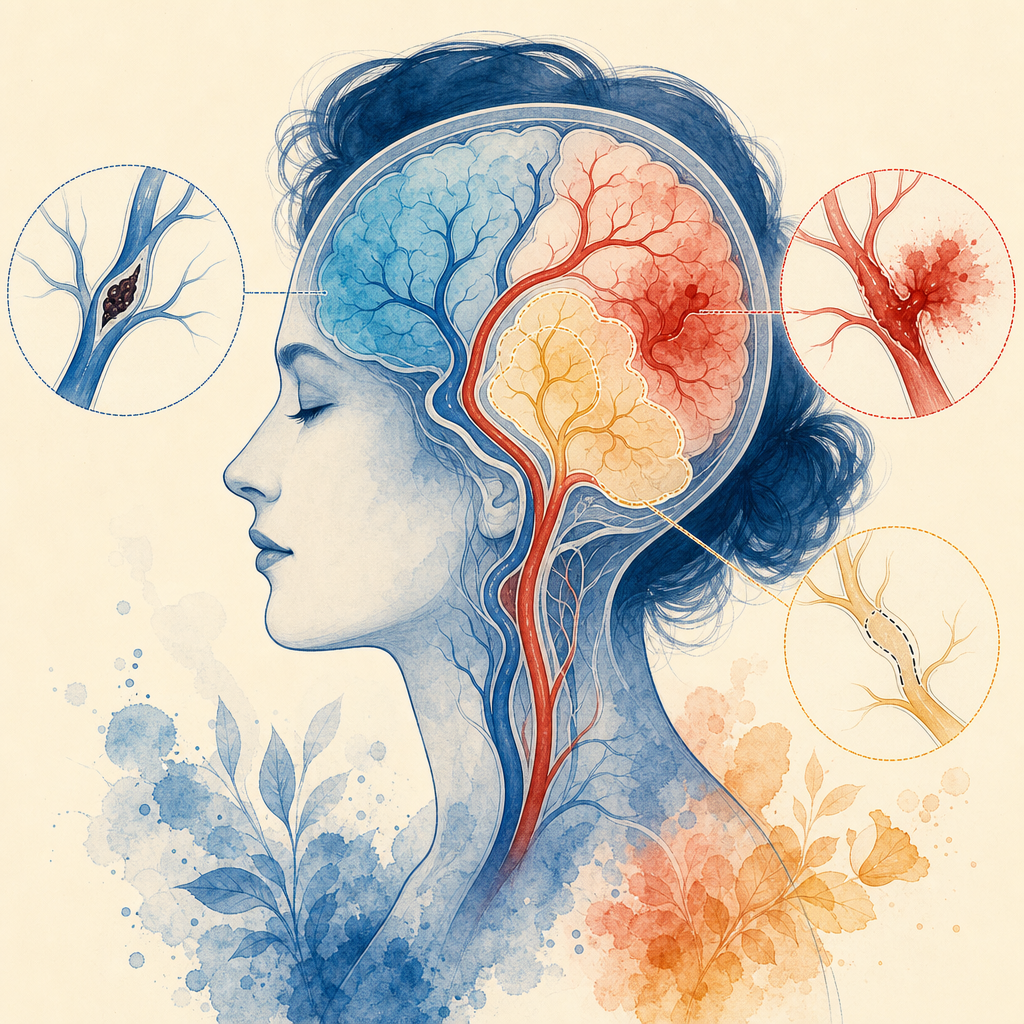
Understand ischemic and hemorrhagic strokes, TIA, cryptogenic stroke, common causes, emergency treatment and what women should ask after a stroke.
By Angie Read

Learn how post-stroke depression can feel, why it happens, how it can overlap with stroke effects and sleep problems, and what treatment and support may help.
By Angie Read

Learn why thinking may feel slower after stroke, how memory, multitasking, fatigue and sensory overload can change, and what rehabilitation and practical strategies may help.
By Angie Read

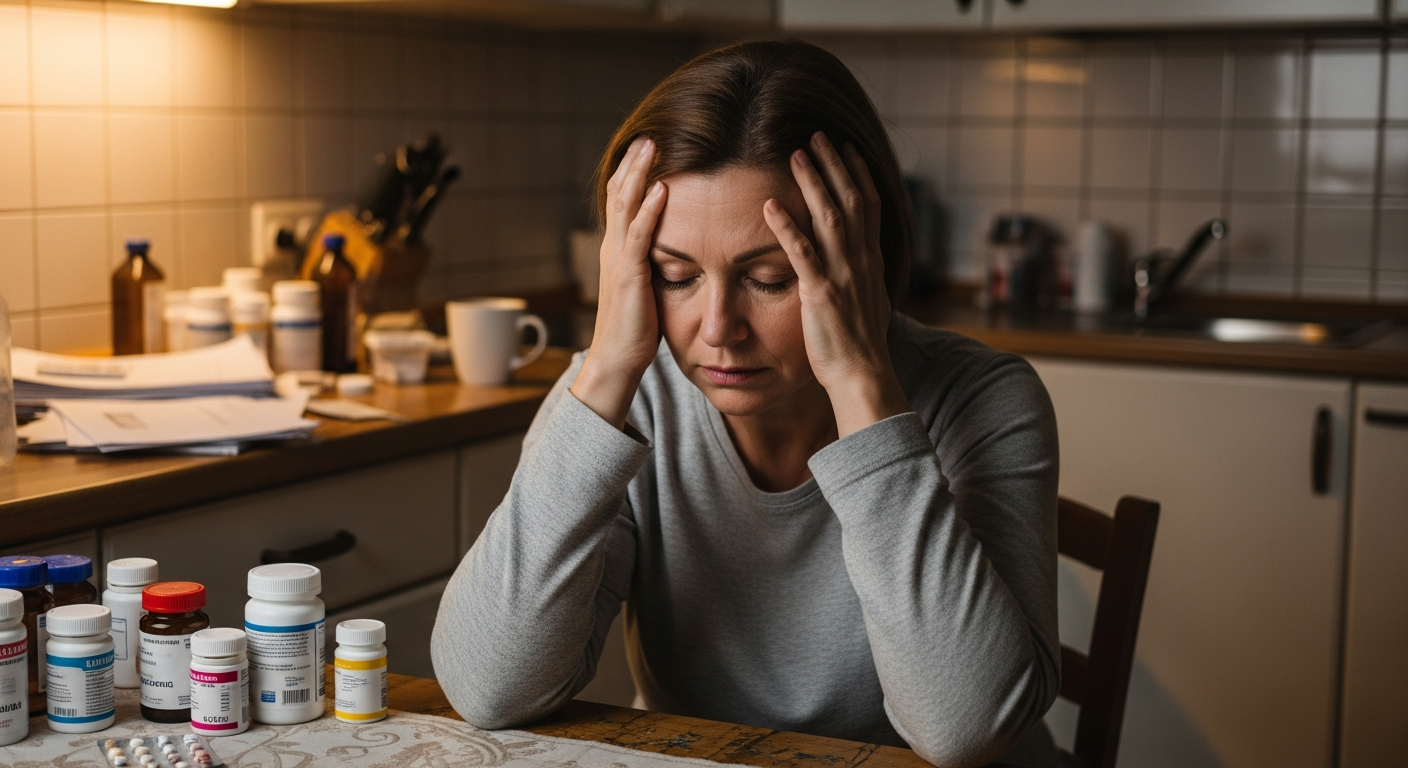
Understand why medications may be prescribed after stroke, how to manage them safely, and what to ask about side effects, missed doses and cost.
By Angie Read

Caregiver burnout is real and common. Learn to recognize the emotional, physical, and behavioral signs — and discover practical strategies to protect yourself while caring for your loved one.
By Angie Read

Learn how physical therapy supports movement, balance and independence after stroke, what rehabilitation may involve, and why recovery can continue after formal therapy ends.
By Angie Read

Struggling with loss of identity after stroke? Learn how career loss affects self-worth and how female stroke survivors can rebuild confidence and purpose.
By Angie Read
Learn why sleep changes after stroke, common causes of insomnia and excessive sleepiness, the hidden risk of sleep apnea, and what may help.
By Angie Read

Learn how to assess readiness to return to work after stroke, plan a gradual return, request accommodations, manage fatigue, and understand U.S. leave and disability resources.
By Angie Read
Fear of having another stroke is one of the most common experiences among survivors — and one of the least discussed. Learn when normal fear becomes debilitating, how PTSD fits in, and what actually helps.
By Angie Read
What you eat after stroke directly affects brain healing, cardiovascular risk, and energy levels. Learn about the Mediterranean diet, brain-supporting nutrients, and practical strategies for eating well during recovery.
By Angie Read
Changes in intimacy after stroke are common, yet almost never discussed at discharge. Learn how stroke affects physical and emotional connection — and how to rebuild it on your own terms.
By Angie Read