_1765581354215-B3gV1V2H.png)
Neuro-Nutrition After Stroke: What Should You Eat to Support Brain Health and Recovery?
By Angie Read, Founder of Stroke Sisters
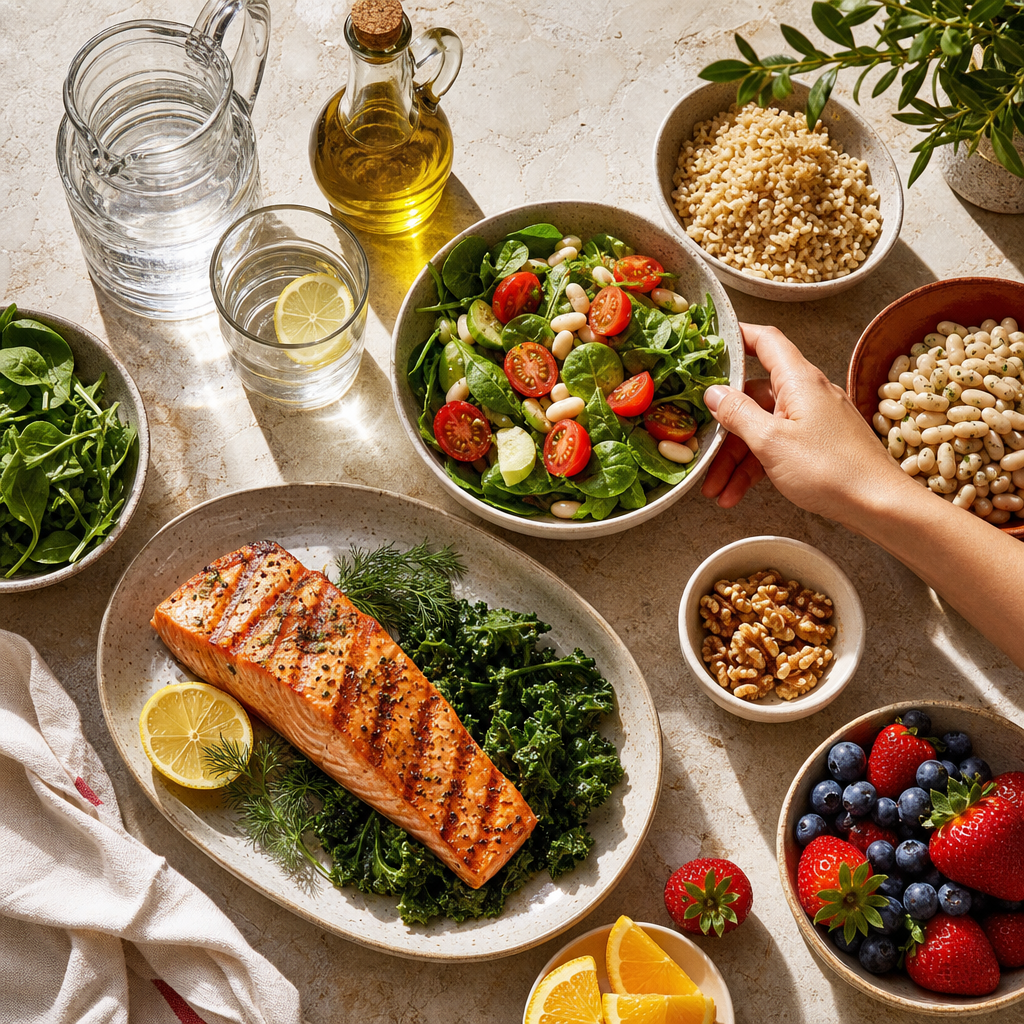
After stroke, it is natural to wonder whether there is something you should eat to help your brain recover.
Blueberries? Salmon? Walnuts? More protein? Less sugar? Supplements?
If you search online, you will find “neuro-nutrition” and lists of brain foods that supposedly heal the brain. I understand the appeal. You want to do everything possible to recover.
There is no food, supplement or special diet proven to repair stroke damage or magically speed brain recovery.
Nutrition still matters. Food supplies energy and nutrients, and a healthy eating pattern can help manage important risk factors for another stroke. Let’s focus on what evidence supports instead of miracle foods.
What Is Neuro-Nutrition?
“Neuro-nutrition” broadly describes the relationship between nutrition and brain health. For survivors, it is more useful to think of food as supporting overall health during recovery and helping manage future stroke risk.
Nutrition can be especially important when recovery includes reduced appetite, difficulty cooking, weakness or paralysis, swallowing problems, fatigue, taste changes, depression, weight changes, diabetes, high blood pressure or high cholesterol.
Can Food Help Your Brain Heal?
This is where interesting science must be separated from proven treatment. Neuroplasticity allows the brain to reorganize and form new connections after injury. NINDS explains that carefully directed, repetitive rehabilitation can help survivors relearn skills.
Eating one particular food does not switch neuroplasticity on. Nutrition provides a foundation for the body to function; rehabilitation trains the brain. Food supports the process but does not replace therapy.
Mediterranean-Style Eating Has Strong Evidence
The American Heart Association recommends Mediterranean-style patterns for cardiovascular health and stroke prevention. They generally emphasize:
- Vegetables and fruits
- Whole grains
- Beans and legumes
- Nuts and seeds
- Fish
- Olive oil and other unsaturated fats
- Less heavily processed food
- Less excess sodium and added sugar
You do not need elaborate meals or unfamiliar foods. Start with realistic changes in the life you are living now.
Eat More Plants—Not One “Superfood”
Vegetables and fruit provide vitamins, minerals, fiber and plant compounds. Berries are great; so are apples. Spinach is great; so are carrots, broccoli, tomatoes and green beans. Ordinary food counts.
Try adding produce to meals you already eat instead of rebuilding your diet overnight.
Don’t Forget Protein
Protein helps maintain and rebuild muscle, which matters when stroke causes weakness or reduced mobility. Sources include fish, poultry, eggs, beans, lentils, Greek yogurt, cottage cheese, tofu, nuts and seeds.
Needs vary with age, kidney function, activity and other conditions. Ask a healthcare provider or registered dietitian for individualized advice.
Omega-3s, Whole Grains and Fiber
Fatty fish such as salmon, sardines and trout contain omega-3 fats and fit well within heart-healthy patterns. That does not mean high-dose fish-oil supplements improve recovery. Supplements can interact with medications, including drugs affecting bleeding.
Whole grains, beans and lentils support cardiovascular and digestive health. Fiber may also help constipation related to reduced activity, medication, dehydration or routine changes.
Watch Sodium and Added Sugar
High blood pressure is a major modifiable stroke risk factor. Much of our sodium comes from packaged, restaurant and processed foods—not just the salt shaker. Compare labels and use herbs, spices, garlic or lemon for flavor.
You do not need to declare war on every cookie. But consistently high added sugar and heavily processed foods can complicate weight, blood sugar and cardiovascular risk. The goal is what you do most of the time, not perfection.
Hydration Matters
Dehydration and poor nutrition can be concerns after stroke, particularly with swallowing problems, cognitive changes or difficulty independently obtaining food and drinks. Keep water accessible if you can drink normally.
If heart or kidney disease requires fluid restriction, follow your provider’s plan instead of general hydration advice.
Swallowing Problems Change the Conversation
Dysphagia is common after stroke. If you were prescribed thickened liquids or modified textures, do not change them because an online article says a particular food is good for the brain. Aspiration can be dangerous.
Your speech-language pathologist and dietitian can help identify foods that are both nutritious and safe to swallow.
Be Careful With “Brain Supplements”
Stroke survivors are an attractive audience for products claiming to boost neuroplasticity, repair neurons, reverse brain damage or accelerate recovery. Those are enormous claims.
“Natural” does not automatically mean effective or safe. Supplements can interact with anticoagulants, antiplatelet drugs, blood-pressure medications and other prescriptions. Tell your healthcare provider or pharmacist about every vitamin and supplement you use.
Food Has to Be Realistic During Recovery
You may be exhausted. Your dominant hand may not work. Standing to cook, reading recipes, shopping or driving may be difficult. Money may be tight and your caregiver may already be overwhelmed.
Convenience is okay. Frozen vegetables, pre-cut fruit, canned beans, rotisserie chicken, microwaveable whole grains and sandwiches count. Healthy eating must work in your actual life.
Start With Small Changes
Try one thing: add berries to breakfast, eat fish this week, add vegetables to dinner, swap one refined grain for whole grain, drink more water if appropriate, choose a lower-sodium option or add beans to a meal.
Small changes that become habits are more useful than a “perfect” diet you maintain for ten days.
Nutrition and Preventing Another Stroke
A healthy pattern can support blood pressure, cholesterol, diabetes, weight and cardiovascular health—all important pieces of reducing another stroke risk. Read Preventing Another Stroke.
A Final Thought
I understand why survivors search for foods that will “heal the brain.” When something enormous happens, you want a concrete promise. I wish recovery were that predictable.
Nutrition can support health and risk-factor management, but you do not need an expensive brain diet, a cabinet full of supplements or perfect eating. Nourish yourself, follow your medical team and make changes you can sustain.
Frequently Asked Questions About Neuro-Nutrition After Stroke
What are the best foods for stroke recovery?
No single food is proven to speed recovery. A balanced pattern emphasizing vegetables, fruits, whole grains, legumes, nuts, fish and nutritious protein supports overall and cardiovascular health.
What diet is best after a stroke?
Mediterranean-style eating has strong cardiovascular evidence. Your plan may need modification for diabetes, kidney disease, swallowing problems or other conditions.
Can certain foods increase neuroplasticity?
No individual food has been proven to restore neurological function after stroke. Rehabilitation and repetitive practice remain central to functional recovery.
Is salmon good after a stroke?
Salmon is a nutritious source of protein and omega-3 fatty acids and can fit into a heart-healthy eating pattern.
Should stroke survivors take brain supplements?
Do not assume you need supplements. Evidence for many products is limited, and they can interact with medications. Ask your healthcare provider or pharmacist.
What if I can’t cook after my stroke?
Frozen vegetables, pre-cut produce, canned beans, simple sandwiches and other convenient foods can make healthy eating more manageable.
More From Stroke Sisters
Trusted Resources and Further Reading
Secondary stroke-prevention guidance, including diet and physical activity.
Current recommendations for reducing stroke risk.
Federal information on neuroplasticity, rehabilitation and recovery.
Clinical guidance on supporting everyday activity and participation after stroke.
Medical Disclaimer: This article is for educational purposes only and is not a substitute for medical or nutritional advice. Nutritional needs vary with medical conditions, medications and swallowing ability. Talk with your healthcare provider or a registered dietitian about what is appropriate for you. For sudden new stroke symptoms, call 911 immediately, even if symptoms improve, and do not drive yourself.