_1765581354215-B3gV1V2H.png)
Eating for Recovery: Nutrition Tips for Female Stroke Survivors
By Angie Read, Founder of Stroke Sisters
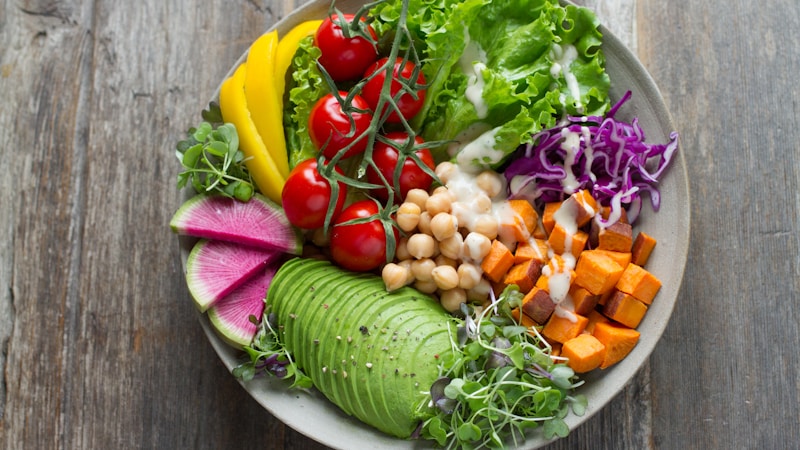
In the weeks after my strokes, eating felt like one of the few things I could actually control. I couldn't control my recovery timeline. I couldn't control my fatigue. But I could control what I put on my plate. And as I learned more about how profoundly nutrition affects brain healing, blood vessel health, and energy levels, food became one of my most intentional recovery tools.
If no one has talked to you about nutrition as part of your stroke recovery, you are not alone — dietary counseling is often not routinely offered in post-stroke care. This article is a starting point. Please use it as a conversation starter with your doctor or a registered dietitian who can tailor guidance to your specific health situation.
Why Nutrition Matters After Stroke
What you eat after stroke matters for three interconnected reasons: supporting brain healing, managing cardiovascular risk factors that increase stroke recurrence, and sustaining the energy your body needs for rehabilitation and daily life.
Poor diet is one of the top modifiable risk factors for stroke. High blood pressure, high cholesterol, obesity, and Type 2 diabetes — all strongly influenced by diet — significantly increase stroke risk. Addressing these factors through nutrition is one of the most powerful things you can do after a stroke to protect yourself going forward.
The Mediterranean Diet: The Most Evidence-Backed Approach
The Mediterranean diet is consistently supported by research as one of the best dietary patterns for both brain health and cardiovascular health — making it particularly relevant for stroke survivors.
The Mediterranean diet emphasizes:
- ●Vegetables and fruits — The foundation of every meal, rich in antioxidants that reduce inflammation in blood vessels.
- ●Whole grains — Oats, brown rice, whole wheat, quinoa — provide sustained energy and support blood sugar stability.
- ●Healthy fats — Olive oil, avocados, nuts, and seeds instead of saturated and trans fats.
- ●Fatty fish — Salmon, sardines, mackerel two to three times per week for omega-3 fatty acids that support brain health.
- ●Legumes — Beans, lentils, and chickpeas for fiber and plant protein.
- ●Herbs and spices — Instead of salt, which raises blood pressure.
- ●Limited red meat — Occasional rather than daily.
- ●Limited processed foods — Packaged snacks, fast food, and sugary drinks kept to a minimum.
Foods That Support Brain Healing
Your brain needs specific nutrients to repair damaged tissue, build new neural connections, and reduce inflammation. Prioritizing these through food can actively support neuroplasticity — your brain's ability to rewire and recover.
Brain-supporting nutrients and where to find them:
- ✓Omega-3 fatty acids — Fatty fish, walnuts, flaxseed — reduce neuroinflammation and support cell membrane health.
- ✓Antioxidants — Blueberries, leafy greens, dark chocolate — protect brain cells from oxidative stress.
- ✓B vitamins, especially B6, B12, and folate — Eggs, leafy greens, legumes — support nerve function and reduce homocysteine, a stroke risk factor.
- ✓Magnesium — Dark leafy greens, nuts, seeds, avocado — supports blood pressure regulation and nerve function.
- ✓Potassium — Bananas, sweet potatoes, spinach — helps regulate blood pressure.
- ✓Vitamin D — Fatty fish, fortified foods, sunshine — low levels are associated with worse stroke outcomes.
Practical Challenges With Eating After Stroke
Knowing what to eat and being able to eat it are two different things. Many stroke survivors face practical barriers around nutrition that are rarely acknowledged.
Common challenges and strategies:
- ●Swallowing difficulties (dysphagia) — Work with a speech-language pathologist; many healthy foods can be modified in texture without losing nutritional value.
- ●One-handed cooking — Adaptive kitchen tools like rocker knives, suction cutting boards, and electric can openers make meal preparation more manageable.
- ●Fatigue — Batch cook on good energy days, use a slow cooker, and stock simple ready-to-eat healthy options like canned fish, pre-washed greens, and cut fruit.
- ●Loss of appetite — Small, frequent meals of nutrient-dense foods are better than trying to force three large meals.
- ●Medication interactions — If you take warfarin (Coumadin), talk to your doctor about vitamin K-containing foods like kale and spinach, which need to be kept consistent.
What to Limit or Avoid
Foods and drinks to significantly reduce after stroke:
- ●Sodium (salt) — A primary driver of high blood pressure; aim for less than 2,300 mg per day, ideally less.
- ●Saturated and trans fats — Found in red meat, full-fat dairy, and most processed foods; raise LDL cholesterol.
- ●Added sugars — Increase inflammation and contribute to weight gain and blood sugar instability.
- ●Alcohol — Even moderate drinking raises blood pressure and stroke risk; discuss with your doctor what, if anything, is appropriate for you.
- ●Ultra-processed foods — Chips, packaged snacks, fast food — high in sodium, unhealthy fats, and added sugars.
A Final Word: Progress, Not Perfection
Overhauling your diet all at once is not realistic and not necessary. Start with one or two changes that feel manageable. Add a serving of vegetables to your meals. Swap processed snacks for nuts or fruit. Cook with olive oil instead of butter. Each small step compounds over time.
And please — ask for help. A registered dietitian who understands cardiovascular and neurological health can create a plan tailored to your medications, preferences, and cooking abilities. You deserve that kind of personalized support.
Every nourishing meal is an act of love toward your healing brain.
Feed yourself the way you deserve to be cared for.
Small steps. Real food. Real healing. You've got this, Sister.