_1765581354215-B3gV1V2H.png)
Life After Stroke: Recovery, Lifestyle Changes, and Building a New Routine
By Angie Read, Founder of Stroke Sisters
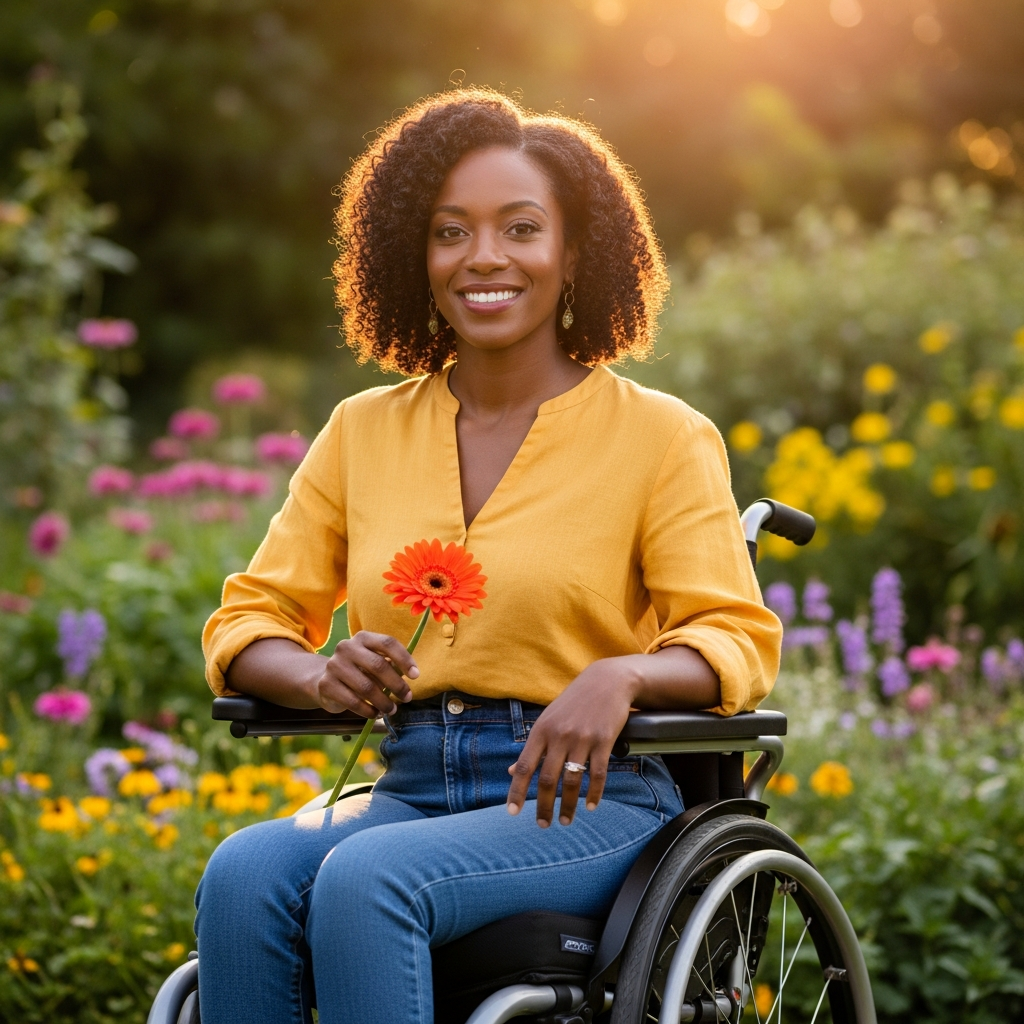
Life after stroke can look very different from the life you had before it.
I know that firsthand.
After my strokes, I was incredibly fortunate to regain much of my physical ability relatively quickly. But that didn't mean I was “recovered.” In many ways, the hardest parts of my recovery came later, after I was home and everyone expected life to start getting back to normal.
The problem was, I didn't feel normal.
Stroke recovery isn't just about learning to walk, talk, or use an affected arm again. It can also mean dealing with overwhelming fatigue, changes in memory and concentration, anxiety, depression, sleep problems, fear of another stroke, and the loss of confidence that can come when your body and brain suddenly don't work the way they used to.
And then there is the bigger question many of us eventually face:
Who am I now?
There isn't one answer or one timeline for stroke recovery. But understanding some of the challenges that may come next can make life after stroke feel a little less overwhelming.
What Can Change After a Stroke?
Every stroke is different because the effects depend on where the stroke occurred in the brain, its severity, and many other factors.
Some survivors experience significant physical disabilities. Others may look completely “fine” while dealing with cognitive, emotional, or neurological challenges that nobody else can see.
Common challenges after stroke can include:
- Difficulty walking or maintaining balance
- Weakness or numbness, often on one side
- Difficulty using an arm or hand
- Speech or communication problems
- Memory and concentration difficulties
- Vision changes
- Post-stroke fatigue
- Anxiety or depression
- Changes in mood or emotional regulation
- Difficulty completing everyday activities
- Fear of having another stroke
You may experience several of these challenges, only a few of them, or completely different ones. That's why comparing your recovery to another survivor's recovery usually isn't very helpful.
The American Stroke Association's Life After Stroke resources provide additional information about the physical, cognitive, and emotional changes that can follow stroke.
Adjusting to Life at Home
Coming home can feel like a huge victory. It can also be when the reality of what happened really begins to sink in.
Things you once did without thinking may suddenly require planning, concentration, or help from someone else. Getting dressed, taking a shower, making breakfast, climbing stairs, or simply walking across a room can become major accomplishments.
Occupational and physical therapists can help you relearn these skills and identify ways to make your home safer and more manageable.
Helpful changes may include removing loose rugs and clutter, installing handrails, improving bathroom safety, increasing lighting, creating clear walking paths, and keeping frequently used items within easy reach.
These changes aren't about giving up independence. They're about creating an environment that helps you regain it safely.
Rehabilitation Doesn't Necessarily End When You Go Home
One of the most important things to understand about stroke recovery is that rehabilitation doesn't necessarily end when you leave inpatient rehab or finish your first round of therapy.
Depending on your needs, ongoing rehabilitation might include physical therapy, occupational therapy, speech-language therapy, or other specialized services. The American Stroke Association's rehabilitation resources explain that support may continue after hospital discharge and, for some survivors, can take place months or even years later.
Your goals will probably change along the way, too.
Early in recovery, success might mean standing independently or walking across a room. Months later, you might be working toward driving again, cooking dinner, returning to work, or getting back to a hobby you love.
Recovery can continue well beyond the first few months after stroke. Our stroke recovery timeline guide explores why progress does not follow one universal schedule.
Post-Stroke Fatigue Is Real
This is one of those symptoms that's difficult to understand until you've experienced it.
Post-stroke fatigue isn't necessarily the same as being tired after a busy day. Your brain and body have been through a major injury, and everyday activities may require significantly more effort than they did before.
A conversation can be exhausting. So can grocery shopping, concentrating on a computer screen, attending therapy, or spending time in a noisy environment.
You may need more rest than you did before your stroke, and that's okay.
Some strategies that may help include:
- Building rest breaks into your day
- Prioritizing the things that matter most
- Avoiding overscheduling
- Maintaining a consistent sleep routine
- Gradually increasing activity as you are able
- Paying attention to what drains your energy
- Talking with your healthcare provider if fatigue is severe or persistent
Learning to respect my body's limits was something I had to learn the hard way. Recovery isn't about proving how much you can push through. Sometimes rest really is part of the work.
Don't Ignore Your Mental Health
This is the part of stroke recovery I wish someone had prepared me for.
My physical recovery went relatively well. My mental health did not.
I experienced severe anxiety and depression after my strokes, along with an overwhelming fear that another stroke could happen at any moment. For a long time, I didn't understand that what I was experiencing could be part of stroke recovery.
It absolutely can be.
According to the American Stroke Association, depression affects about 30% of stroke survivors and can interfere with quality of life and recovery. Anxiety can also occur alongside depression after stroke.
Counseling, mental-health care, medication when appropriate, and connection with other survivors can all be valuable parts of recovery. Our guide to mental health after stroke explores the emotional side in more detail.
Please don't assume you're supposed to simply “be grateful you survived” and move on. Surviving the stroke and struggling emotionally afterward can both be true.
If you're in the United States and experiencing thoughts of suicide or feel you may hurt yourself, call or text 988 to reach the Suicide & Crisis Lifeline. If you're in immediate danger, call 911 or go to the nearest emergency department.
Sleep Matters More Than You Might Think
Sleep became a major issue for me after my strokes.
I suffered from horrible insomnia, and looking back, I believe the lack of sleep made an already difficult recovery much harder and contributed to the mental-health crisis I experienced. I wish I had understood sooner that sleep problems can be part of life after stroke.
The American Stroke Association reports that sleep problems can occur after stroke and that poor sleep may interfere with recovery and contribute to problems with mood and memory. Sleep apnea is another important concern because it can increase the risk of another stroke.
If your sleep has changed significantly since your stroke, talk with your healthcare provider. Don't assume it's something you simply have to live with. Read more in our guide to sleep problems after stroke.
Relationships Can Change, Too
Stroke doesn't happen only to the survivor. It affects families, marriages, friendships, and other relationships.
A spouse may suddenly become a caregiver. Children may take on responsibilities they never expected. Friends may not understand why you aren't “back to normal.”
That adjustment can be difficult for everyone.
Communication matters. So does maintaining as much independence as safely possible. Caregivers also need support and breaks of their own. Stroke recovery can be a marathon for the entire family.
Getting Back Into the World
Socializing can feel surprisingly difficult after stroke. Fatigue, mobility challenges, communication difficulties, and anxiety can make even simple outings overwhelming.
You don't have to jump immediately back into your old life. Start small.
Maybe it's coffee with one friend instead of attending a large party. Maybe it's ten minutes gardening instead of an afternoon outside. Maybe it's listening to an audiobook when reading is difficult.
Different doesn't necessarily mean worse. Sometimes recovery means finding a new way to do something you still love.
Returning to Work
Returning to work can be an important recovery goal, but it isn't the right goal for everyone.
Your ability to return may depend on physical abilities, memory, concentration, communication, fatigue, emotional health, and the demands of your job.
Some survivors return gradually with reduced hours, additional breaks, or modified responsibilities. Others change careers or decide that returning to work isn't possible.
I eventually returned to my career, but it took time. And returning to work wasn't simply about proving that I could do my job again. I also had to rebuild my confidence and learn what my brain and body could realistically handle.
Your worth isn't determined by whether or how quickly you return to work. Our guide to returning to work after stroke covers more questions to consider.
Driving After Stroke
Driving can represent freedom and independence, so understandably many survivors want to know when they can get behind the wheel again.
But stroke can affect vision, reaction time, concentration, judgment, coordination, and strength, sometimes in ways that aren't immediately obvious.
Requirements vary depending on where you live, so talk with your healthcare team and follow applicable driving requirements or assessments before returning to the road.
Reducing Your Risk of Another Stroke
If you've already experienced a stroke or TIA, your risk of another stroke is higher, according to the Centers for Disease Control and Prevention. That's not meant to scare you. It's a reason to work with your healthcare team to understand your individual risk factors and what you can do about them.
Depending on your situation, that may include managing:
- High blood pressure
- High cholesterol
- Diabetes
- Heart conditions such as atrial fibrillation
- Smoking
- Physical inactivity
- Weight
- Alcohol consumption
The CDC's stroke prevention guidance also emphasizes healthy lifestyle choices, managing underlying medical conditions, and taking prescribed medications as directed.
Don't stop or change a medication without talking with your doctor or pharmacist, and keep your follow-up appointments even when you're feeling well.
Staying Active
Movement can support cardiovascular health, strength, mobility, and overall well-being after stroke, but exercise needs to be appropriate for your abilities and medical situation.
You don't have to become an athlete.
Walking, stretching, balance work, strength training, and task-specific exercises may all be helpful depending on your individual needs. Consistency is often more realistic than intensity.
Talk with your rehabilitation or healthcare team about what is safe and appropriate for you. Our stroke recovery exercises guide offers general ideas to discuss with your care team.
Eating Well After Stroke
Nutrition can play an important role in long-term cardiovascular health and in managing risk factors such as high blood pressure, diabetes, and high cholesterol.
A heart-healthy eating pattern that includes plenty of fruits and vegetables and limits excess sodium and saturated fat can be part of reducing stroke risk. The CDC offers additional guidance on lifestyle changes that can help prevent stroke.
For some survivors, swallowing problems may require changes in food or liquid consistency. Those changes should be made with guidance from the appropriate healthcare professional rather than attempted independently. A dietitian can also help create an eating plan based on your individual health needs.
Recovery Is Not Linear
This one deserves its own section because it can be incredibly frustrating.
You might have several great days and then suddenly have a terrible one. You might make noticeable progress for weeks and then feel like nothing is changing.
Fatigue, illness, stress, poor sleep, pain, and emotional health can all affect how you function from one day to the next. A bad day does not erase your progress.
While the most noticeable improvement often happens during the earlier stages of recovery, the American Stroke Association notes that improvement can continue over years, sometimes at a slower pace.
But there's an important distinction between a frustrating recovery day and a sudden neurological change. A sudden or unexplained loss of ability should always be taken seriously. New neurological symptoms should not automatically be blamed on your previous stroke.
Set Goals That Matter to YOU
Recovery goals don't have to sound impressive to anyone else.
Your goal might be:
- Walking independently to the bathroom
- Making your own breakfast
- Using your affected hand to hold a fork
- Driving again
- Going back to work
- Playing with your children or grandchildren
- Traveling
- Returning to something you loved before your stroke
Big goals are usually accomplished through a whole lot of small ones. Celebrate those small wins. They matter.
Find People Who Get It
Stroke recovery can be incredibly isolating, especially when you're dealing with invisible challenges.
Family and friends may love you deeply and still not fully understand what you're experiencing. That's one reason connection with other survivors can be so powerful.
Support can come from family, friends, therapists, healthcare professionals, support groups, and survivor communities. The American Stroke Association recognizes support groups as an important resource during recovery.
It's also one of the reasons I created Stroke Sisters. I wanted women recovering from stroke to have a place where they could connect with other women who understand what this experience is really like.
Peer communities shouldn't replace medical care, but they can provide something medicine can't always provide: the reassurance of hearing someone else say, “Me too.”
Know the Signs of Another Stroke
If you've already had a stroke, new neurological symptoms should always be taken seriously.
Remember F.A.S.T.:
- F – Face drooping
- A – Arm weakness
- S – Speech difficulty
- T – Time to call 911
Other sudden symptoms can include numbness or weakness, confusion, trouble seeing, difficulty walking, dizziness, loss of balance or coordination, or a severe headache with no known cause.
If you suspect a stroke, call 911 immediately. Don't wait to see whether the symptoms disappear, and don't drive yourself to the hospital.
Building a Life After Stroke
For a long time, I thought recovery meant getting back to the person I was before my strokes.
Eventually, I realized that wasn't really the goal.
Stroke changed me. Some of those changes were incredibly painful. Others ultimately changed the direction of my life and gave me a new sense of purpose.
Successful recovery doesn't have one definition. Maybe it's walking independently. Maybe it's making dinner. Maybe it's returning to work. Maybe it's learning how to manage anxiety. Maybe it's laughing with your family again.
And sometimes, success is simply getting through a really hard day and trying again tomorrow.
Your recovery belongs to you. Don't measure it against someone else's timeline. Keep going, keep asking for help when you need it, and don't forget to recognize just how far you've already come.
Frequently Asked Questions About Life After Stroke
Can you live a normal life after a stroke?
Many stroke survivors regain significant independence and return to activities they enjoy. Others live with lasting physical, cognitive, communication, or emotional changes. Personally, I prefer to think less about getting back to “normal” and more about building a life that feels meaningful again, whatever that looks like for you.
How long does stroke recovery continue?
Stroke recovery can continue for months and even years. Progress may happen more slowly over time, but slower progress does not necessarily mean you have stopped improving.
Why am I so tired after a stroke?
Post-stroke fatigue can be influenced by neurological changes, sleep problems, medications, mood, physical deconditioning, and the additional effort everyday activities may require after stroke. If fatigue is persistent, severe, or suddenly changes, talk with your healthcare provider.
Are depression and anxiety common after stroke?
Yes. Depression affects about 30% of stroke survivors, according to the American Stroke Association. Anxiety can also occur after stroke, sometimes alongside depression. Emotional recovery deserves the same attention as physical recovery.
Can I return to work after stroke?
Some survivors return to their previous jobs. Others need reduced hours, modified responsibilities, or workplace accommodations, and some are unable to return to their previous occupation. There is no universal timeline; readiness depends on your individual recovery and the demands of your job.
Can I exercise after a stroke?
Many survivors can participate in physical activity, but the appropriate type and intensity depend on your medical condition and abilities. Ask your healthcare or rehabilitation team what is appropriate for you.
How can I reduce my risk of another stroke?
Work with your healthcare team to understand your personal risk factors. Depending on your situation, reducing risk may involve managing blood pressure, cholesterol, diabetes, or heart conditions, not smoking, staying physically active, making dietary changes, and taking medications as prescribed.
What should I do if I experience new stroke symptoms?
Treat sudden new neurological symptoms as an emergency. Call 911 immediately rather than waiting to see whether the symptoms improve.
Trusted Stroke Recovery Resources
For additional evidence-based information about stroke recovery and life after stroke:
- American Stroke Association: Life After Stroke
- American Stroke Association: Post-Stroke Rehabilitation
- American Stroke Association: Depression and Stroke
- American Stroke Association: Sleep After Stroke
- CDC: Stroke Risk Factors
- CDC: Preventing Stroke
Medical Disclaimer: This article is for educational purposes and includes my personal experience as a stroke survivor. It is not a substitute for individualized medical advice, diagnosis, or treatment. Always talk with your healthcare provider about questions or concerns related to your health.