_1765581354215-B3gV1V2H.png)
What to Expect After a Stroke: Recovery, Rehabilitation, and Life Changes
By Angie Read, Founder of Stroke Sisters
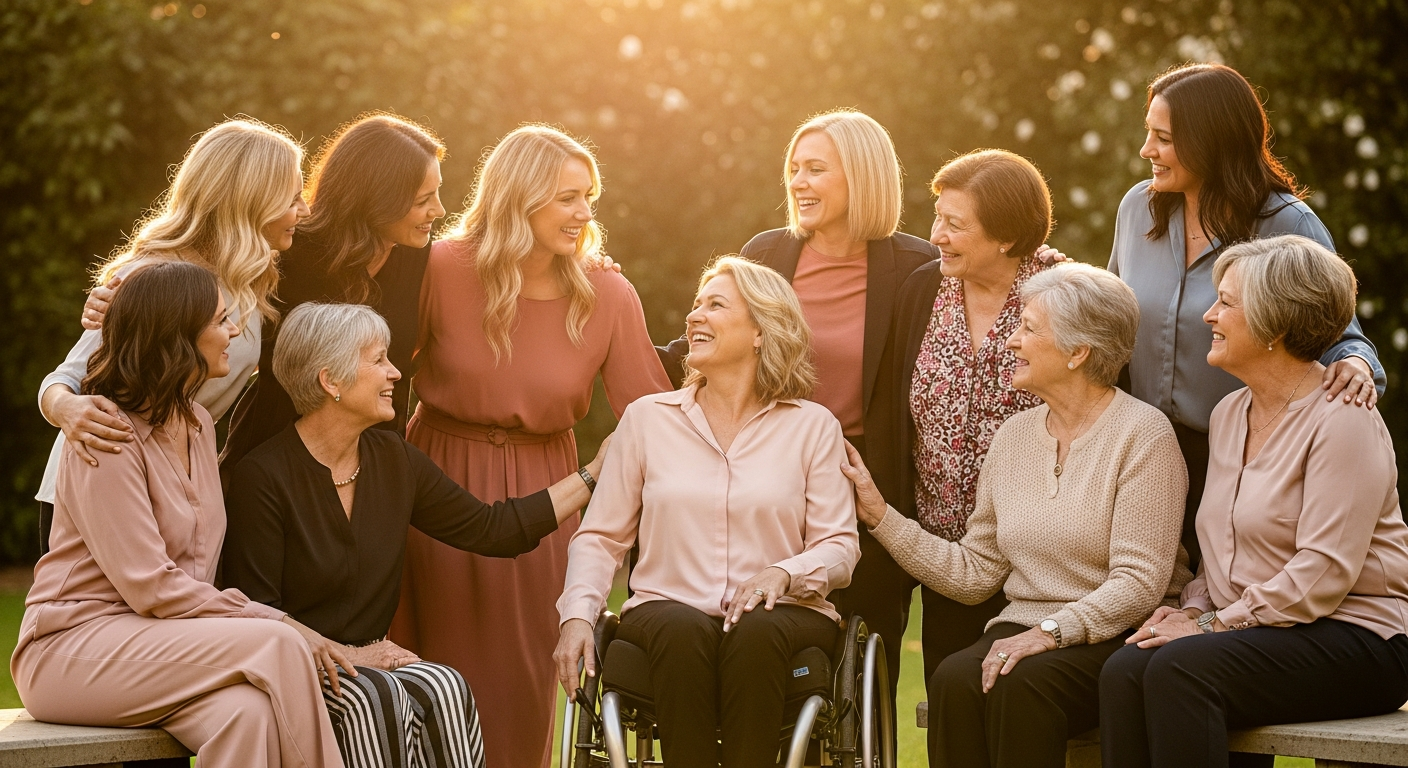
A stroke can change many parts of daily life, and knowing what to expect can make the recovery process easier to understand. The effects are different for every person. Some survivors regain much of their independence, while others need ongoing support with movement, communication, memory, or everyday activities.
Recovery can also change over time. The first days may focus mainly on medical care and preventing complications, while later stages often involve rehabilitation and adapting to life after the stroke.
Understanding the common challenges can help survivors and families prepare for the road ahead without creating unrealistic expectations.
Important: This article provides general educational information, not an individual prognosis. Every stroke and every recovery is different. Your physician and rehabilitation team can provide guidance based on your specific condition.
What Happens Immediately After a Stroke?
The first priority is medical stabilization. Doctors need to determine what type of stroke occurred, which part of the brain was affected, and how severe the injury may be.
During the early hospital stay, the medical team may monitor:
- Blood pressure and heart rate
- Breathing and oxygen levels
- Swallowing ability
- Muscle strength
- Speech and communication
- Vision
- Balance and coordination
- Alertness and awareness
- Ability to move safely
The treatment approach depends on whether the stroke was caused by a blocked blood vessel or bleeding in the brain.
Once the person's condition is stable, healthcare professionals can begin assessing rehabilitation needs.
Physical Changes After a Stroke
One of the most noticeable effects can be changes in movement.
A survivor may experience weakness or numbness affecting one side of the body. This can make walking, standing, reaching, or using an arm difficult.
Other physical problems may include:
- Muscle stiffness
- Poor coordination
- Balance difficulties
- Tremors or involuntary movements
- Changes in sensation
- Difficulty swallowing
- Fatigue
- Problems controlling certain movements
The severity of these effects varies considerably.
A person who initially needs substantial assistance may gradually become more independent with rehabilitation. However, some physical changes can remain long term.
Changes in Speech and Communication
A stroke can affect the brain regions responsible for language and communication.
Some survivors may have difficulty finding the right words, forming sentences, understanding what others are saying, reading, or writing. Others may have slurred speech because the muscles involved in speaking are affected.
Communication difficulties can be frustrating for both survivors and family members.
Speech and language therapy can help identify the specific problem and develop strategies for improving communication.
Family members can also help by speaking clearly, allowing extra time for responses, and avoiding finishing sentences unless the survivor asks for assistance.
Changes in Memory and Thinking
Stroke can affect cognitive abilities as well as physical movement.
Some survivors experience difficulty with:
- Concentration
- Memory
- Planning
- Problem solving
- Processing information
- Following instructions
- Making decisions
These changes may not always be obvious.
A person may appear physically capable but become overwhelmed by tasks that require concentration or multiple steps.
Occupational and cognitive rehabilitation can help survivors develop strategies for managing these challenges.
Fatigue After a Stroke
Significant tiredness is common during recovery.
Stroke related fatigue can feel different from ordinary tiredness. A person may become exhausted after relatively simple physical or mental activities.
Fatigue can make rehabilitation more challenging and may also affect mood and concentration.
A balanced routine is often helpful. Rehabilitation should include appropriate activity as well as adequate rest.
Trying to push through severe fatigue every day may not be productive. A healthcare professional can help determine appropriate activity levels.
Emotional and Mental Health Changes
Emotional recovery is an important part of life after stroke.
A survivor may experience:
- Anxiety
- Depression
- Frustration
- Irritability
- Fear of another stroke
- Loss of confidence
- Social withdrawal
- Changes in emotional expression
These reactions can develop because of changes in the brain, the emotional impact of the event, or both.
Family members sometimes assume that a survivor simply needs to "stay positive." However, persistent emotional difficulties may require professional support.
A doctor, psychologist, psychiatrist, counselor, or rehabilitation professional can help identify appropriate treatment. Our guide to mental health after stroke also explores the emotional side of recovery.
Rehabilitation After a Stroke
Rehabilitation is often central to recovery.
The rehabilitation team may include several professionals, depending on the person's needs.
Physical Therapy
Physical therapists commonly work on:
- Strength
- Walking
- Balance
- Coordination
- Transfers
- Mobility
- Flexibility
The goal is to help the person move as safely and independently as possible. Learn more in our guide to physical therapy after stroke.
Occupational Therapy
Occupational therapists focus on everyday activities.
They may help survivors practice:
- Dressing
- Bathing
- Eating
- Grooming
- Using the affected arm
- Preparing food
- Managing household tasks
They may also recommend changes to the home to improve safety and independence.
Speech and Language Therapy
Speech and language therapists can help with communication and swallowing problems.
Treatment may involve speech, language comprehension, reading, writing, memory strategies, or safe swallowing techniques depending on the person's symptoms.
How Long Does Recovery Take?
There is no fixed recovery period.
Some survivors experience significant changes during the first few weeks and months, while others continue improving for much longer.
Recovery may be faster in some areas than others. For example, walking may improve while fine hand movements remain difficult. Communication may improve gradually even when physical strength has already returned.
It is better to think of recovery as an ongoing process rather than a specific deadline. Our stroke recovery timeline guide explains why recovery does not follow one universal path.
Changes to Daily Life
Returning home after a stroke can be both exciting and challenging.
Everyday activities may need to be modified. A person may initially require help with:
- Getting dressed
- Preparing meals
- Using the bathroom
- Getting in and out of bed
- Walking around the house
- Managing medications
- Shopping
- Household chores
Home modifications may sometimes be recommended.
These can include removing trip hazards, improving bathroom safety, installing handrails, or rearranging frequently used items.
The exact changes depend on the person's mobility and level of independence.
Returning to Work and Hobbies
Some survivors eventually return to work, while others may need to modify their responsibilities or choose a different role.
Returning to work depends on physical abilities, communication, concentration, fatigue, job requirements, and medical advice.
The same applies to hobbies.
A person may return to activities such as gardening, cooking, reading, sports, music, or art with appropriate modifications.
The important thing is to focus on what is safe and realistic rather than expecting everything to immediately return to the way it was before the stroke. For more on this decision, see returning to work after stroke.
Driving After a Stroke
Driving may need to be temporarily stopped after a stroke.
A person's ability to drive safely can be affected by vision, reaction time, coordination, judgment, attention, memory, or weakness.
The requirements for returning to driving vary by location and individual circumstances.
Do not resume driving simply because you feel physically capable. Follow medical and local legal guidance and complete any required assessment.
Relationships and Family Life
A stroke can affect relationships as well as physical abilities.
Roles within a family may change when a previously independent person needs assistance. Caregivers can experience stress, fatigue, or uncertainty about how much help to provide.
Open communication can help families adjust.
It is also important to maintain independence whenever it is safe. Helping with everything may seem supportive, but allowing a survivor to complete appropriate tasks independently can help rebuild confidence.
Caregivers also need time to rest and maintain their own health.
Preventing Another Stroke
After a stroke, preventing another event becomes an important part of long term care.
Depending on the person's situation, prevention may involve managing:
- Blood pressure
- Cholesterol
- Diabetes
- Heart conditions
- Smoking
- Physical inactivity
- Weight
- Alcohol consumption
Doctors may also prescribe medications to reduce the risk of another stroke.
Take prescribed medications exactly as directed and attend follow up appointments. Do not stop medication without discussing it with a healthcare professional.
Sleep and Recovery
Sleep can change after a stroke.
Some survivors have trouble falling asleep, wake frequently, or experience excessive daytime sleepiness. Others may have sleep disorders such as sleep apnea.
Poor sleep can affect energy, concentration, mood, and participation in rehabilitation.
Persistent sleep difficulties should be discussed with a healthcare professional, particularly if there is loud snoring, gasping during sleep, breathing pauses, or severe daytime sleepiness. Read more about sleep problems after stroke.
The Importance of Small Goals
Recovery can feel overwhelming when the focus is on major milestones.
Instead, smaller goals can make progress easier to recognize.
A survivor might work toward:
- Standing independently
- Walking a short distance
- Using one hand during a task
- Speaking a difficult word
- Preparing a simple meal
- Getting dressed with less assistance
- Completing a personal care task independently
These achievements may appear small, but they can represent meaningful progress.
What If Recovery Is Slower Than Expected?
A slow recovery does not necessarily mean that improvement has stopped.
Progress can become less noticeable after the early stages. A person may continue making small gains in balance, coordination, communication, endurance, or independence.
If progress seems to have stopped completely or new problems develop, discuss the situation with the rehabilitation team.
Pain, depression, poor sleep, fatigue, spasticity, medication effects, or other medical issues can sometimes interfere with rehabilitation.
When Should You Seek Emergency Help?
Recovery can involve ups and downs, but sudden new neurological symptoms should not be ignored.
Seek emergency medical help if a person suddenly develops:
- New weakness or numbness
- Facial drooping
- Difficulty speaking
- Difficulty understanding speech
- Sudden vision changes
- Severe dizziness or loss of balance
- A sudden severe headache
- New confusion
- Loss of consciousness
These symptoms may indicate another stroke or another serious medical problem. If symptoms are happening now, call 911 or your local emergency services.
Conclusion
Life after a stroke can involve physical, emotional, cognitive, and practical changes. Some people recover quickly, while others need long term rehabilitation and support.
Knowing what to expect after a stroke can help survivors and families prepare for challenges without assuming that every person will follow the same recovery path. Rehabilitation may involve physical therapy, occupational therapy, speech and language therapy, and support for emotional well being.
Recovery is not only about regaining physical strength. It can also involve rebuilding confidence, improving communication, adapting the home, returning to meaningful activities, and reducing the risk of another stroke.
Progress may happen gradually, and small improvements can be important. With appropriate medical care, rehabilitation, support, and realistic goals, survivors can work toward greater independence and a better quality of life.
Frequently Asked Questions
What is the first thing to expect after a stroke?
The first stage usually focuses on medical stabilization, identifying the type of stroke, monitoring for complications, and assessing the person's physical, communication, swallowing, and cognitive abilities.
How long does it take to recover from a stroke?
There is no universal timeline. Some people improve within weeks, while others continue making progress for months or years. Recovery depends on many individual factors.
Can a person return to normal after a stroke?
Some people regain most of their previous abilities, while others experience lasting changes. Rehabilitation can help maximize function and independence, but outcomes vary.
Will weakness improve after a stroke?
Many survivors experience improvements in strength and movement, particularly with appropriate rehabilitation. The extent and speed of improvement depend on the individual.
Can a stroke affect personality?
Yes. Changes in mood, emotional control, behavior, communication, and cognitive abilities can sometimes affect how a person behaves or interacts with others.
Can someone work again after a stroke?
Some survivors return to their previous jobs, while others need modified duties, reduced hours, or a different type of work. The decision depends on individual abilities and job demands.
Is fatigue normal after a stroke?
Fatigue is common and can be significant. Managing activity, taking appropriate rest, addressing sleep problems, and discussing persistent fatigue with healthcare professionals can help.
Can you have another stroke during recovery?
Yes. Having one stroke can increase the risk of another. Following medical advice, taking prescribed medication, and managing controllable risk factors are important parts of prevention.
Does rehabilitation still help after several months?
Rehabilitation can remain useful beyond the early stages. Goals and treatment approaches may change as the survivor's abilities develop.
How can family members help someone after a stroke?
Family members can provide emotional support, encourage appropriate independence, assist with recommended rehabilitation, help create a safe home environment, and attend medical appointments when appropriate. Caregivers should also make time for their own health and well being.
Medical Disclaimer: This article is for educational and informational purposes only and is not intended to provide medical advice, diagnosis, treatment or an individual prognosis. Stroke recovery varies considerably from person to person. Always discuss questions about your recovery, rehabilitation, medications, driving, returning to work or new symptoms with your physician or another qualified healthcare professional.