_1765581354215-B3gV1V2H.png)
Stroke Recovery Exercises: A Practical Guide to Rebuilding Strength and Independence
By Angie Read, Founder of Stroke Sisters
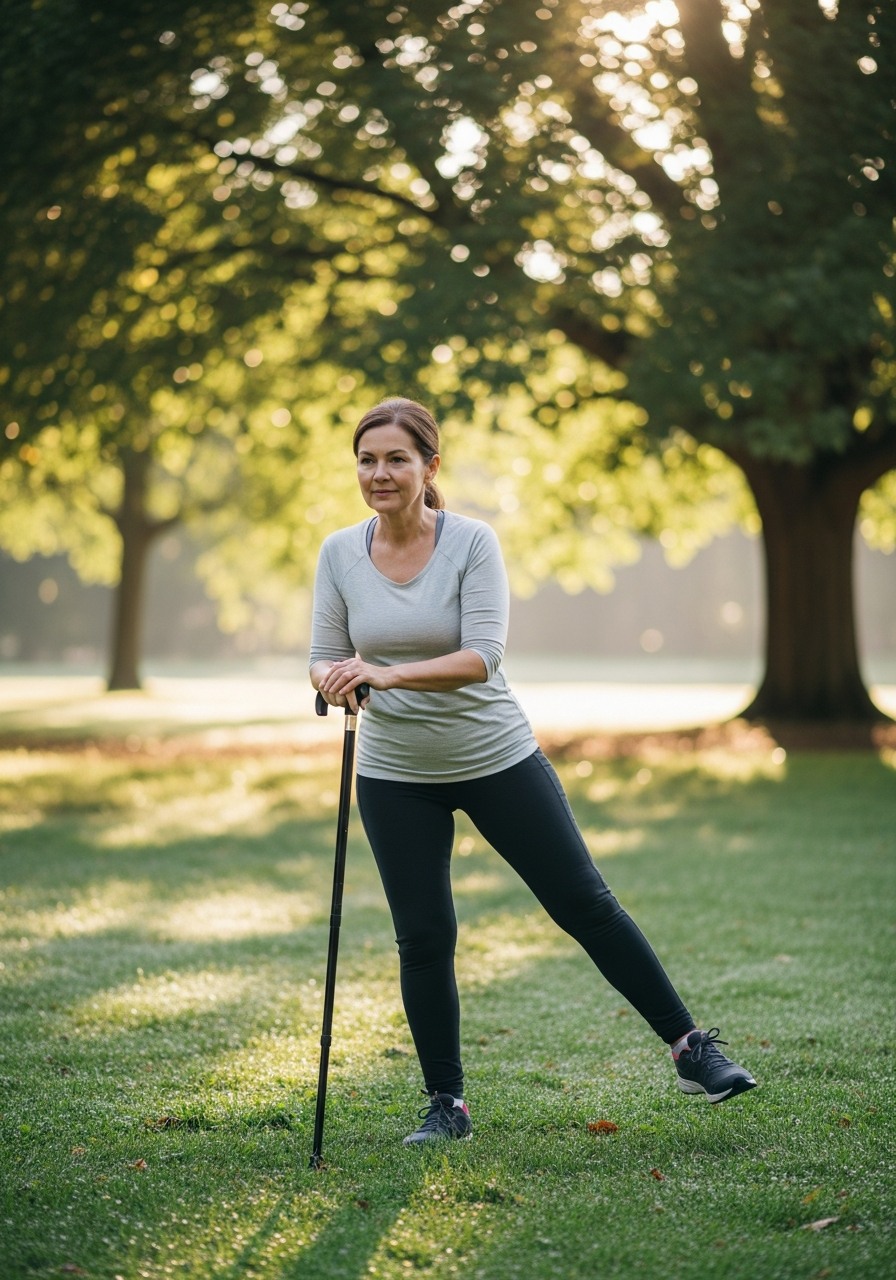
Recovery after a stroke looks different for everyone. Some stroke survivors have difficulty moving an arm or leg. Others struggle with balance, coordination, walking, hand function or everyday activities that once felt automatic.
And recovery rarely happens in a straight line.
That's where stroke rehabilitation and stroke recovery exercises can play an important role. Repeated, purposeful movement is often part of rehabilitation because it gives the brain and body opportunities to practice skills affected by stroke.
But there is no single set of exercises after a stroke that works for everyone. The right exercises depend on your abilities, the effects of your stroke, where you are in recovery and the goals you're working toward.
This guide covers common types of stroke rehabilitation exercises, including exercises for the arms and hands, legs, balance and walking, along with ways to approach stroke rehabilitation exercises at home safely.
Important: Stroke recovery is highly individual. Talk with your doctor, physical therapist, occupational therapist or another qualified rehabilitation professional before beginning or changing an exercise program.
Why Is Exercise Important After a Stroke?
A stroke can affect areas of the brain responsible for movement, muscle control, coordination and balance. Depending on where the stroke occurred and its severity, survivors may experience weakness, stiffness, difficulty walking, reduced hand function or problems with balance and coordination.
Stroke rehabilitation often uses repeated, purposeful movement to help survivors practice skills that were affected by the stroke.
Depending on your individual needs, rehabilitation may focus on improving:
- Muscle strength
- Flexibility and range of motion
- Balance and coordination
- Walking and mobility
- Arm and hand function
- Endurance
- Posture and trunk control
- Independence with everyday activities
And remember, progress doesn't always come in big, dramatic milestones.
Sometimes progress is standing a little longer than you could last week. Taking a few more steps. Picking something up with your affected hand. Getting dressed with a little less help.
Those small wins count.
Before Starting Stroke Recovery Exercises
When it comes to exercise after a stroke, more isn't necessarily better. Safety matters more than intensity.
A physical therapist, occupational therapist or other rehabilitation professional can evaluate your strength, balance, mobility, coordination, fatigue and other factors before recommending exercises appropriate for you.
Some stroke survivors can exercise independently, while others may need assistance or supervision, particularly during standing, walking and balance exercises.
If an exercise causes significant pain, unusual symptoms or excessive fatigue, stop and talk with a healthcare professional.
1. Range of Motion Exercises After Stroke
Muscle stiffness and limited movement can occur after stroke, particularly when one side of the body has been affected.
Range of motion exercises after stroke may help maintain flexibility and joint mobility. Depending on your abilities, these exercises may involve your:
- Shoulders
- Elbows
- Wrists
- Fingers
- Hips
- Knees
- Ankles
For example, you might slowly bend and straighten your elbow or gently move your wrist through a comfortable range of motion.
Some survivors can perform these movements independently. Others may need help from a therapist or caregiver.
Never force a stiff joint or push a movement beyond a comfortable range. The goal is controlled, safe movement, not speed.
2. Seated Leg Exercises After Stroke
If you're not ready for standing exercises, seated exercises after stroke can provide a more supported way to work on lower-body movement.
One example is a seated knee extension. While sitting upright in a stable chair, slowly straighten one knee and then lower your leg.
Other seated stroke exercises may include:
- Gentle ankle movements
- Seated marching
- Alternating foot lifts
- Controlled knee bends
Use a stable chair and make sure the movement is appropriate for your current abilities. If sitting upright without assistance is difficult, talk with your rehabilitation team before trying exercises on your own.
3. Standing and Weight-Shifting Exercises After Stroke
As strength and balance improve, your rehabilitation program may progress to standing exercises.
Weight-shifting exercises after stroke involve gradually moving your body weight from one leg to the other, usually while holding onto a stable support when needed.
These exercises may help you practice the body control required for movements such as:
- Walking
- Turning
- Standing up
- Sitting down
- Moving from one surface to another
If you have significant balance problems, don't attempt standing exercises without appropriate support or supervision.
4. Walking Exercises After Stroke
For many survivors, walking after a stroke is one of the biggest rehabilitation goals.
Walking practice may begin with movements as basic as standing up from a chair, taking a few controlled steps or walking a short distance with assistance.
A physical therapist may work with you on:
- Foot placement
- Step length
- Weight transfer
- Posture
- Walking speed
- Turning
- Sitting and standing
- Navigating different surfaces
Some survivors may need a cane, walker or another mobility device. A qualified professional can help determine which device is appropriate and make sure it's adjusted correctly.
And walking farther isn't always the most important goal. Walking safely and with better control can be just as meaningful.
5. Arm and Hand Exercises After Stroke
Stroke can affect the ability to reach, grasp, release and manipulate objects, making everyday activities much more difficult.
Arm and hand rehabilitation after stroke may involve repeatedly practicing movements that have a practical purpose.
That might include:
- Reaching for an object
- Moving an item across a table
- Opening and closing your hand
- Grasping and releasing safe objects
- Using the affected arm or hand during everyday activities
Occupational therapists often incorporate real-life tasks into rehabilitation because the ultimate goal isn't simply to complete an exercise. It's to regain as much independence as possible.
Exercises should always match your current abilities. Objects that are too heavy or movements that you can't safely control can increase the risk of injury.
6. Core and Trunk Exercises After Stroke
Your core does much more than help you sit up straight.
Trunk control after stroke can affect your ability to sit, reach, stand, transfer and walk safely.
Depending on your abilities, rehabilitation may include:
- Practicing upright sitting
- Controlled reaching
- Maintaining posture
- Shifting your body safely while seated
These exercises aren't necessarily about building abdominal muscles. They're about developing the stability and control needed for everyday movement.
A physical or occupational therapist can help determine which exercises are appropriate based on your balance and movement abilities.
7. Balance Exercises After Stroke
Balance problems are common after stroke and can increase the risk of falls.
Balance exercises after stroke may gradually challenge your ability to maintain a stable position. Rehabilitation might progress from supported sitting to standing and, when appropriate, more challenging movements.
Balance exercises may include:
- Maintaining an upright standing position
- Controlled weight shifting
- Reaching while standing
- Practicing turns
- Stepping in different directions
If you cannot stand independently, don't attempt unsupported balance exercises alone.
How Often Should You Exercise After a Stroke?
There's no universal answer.
The right amount of stroke rehabilitation exercise depends on your health, mobility, fatigue, goals and rehabilitation plan.
Some survivors may do better with shorter sessions throughout the day. Others may tolerate longer periods of activity.
One thing that's especially important for stroke survivors to remember: fatigue matters.
Post-stroke fatigue can make it harder to maintain proper technique and safely complete exercises. Pushing yourself harder isn't always the answer, and rest can be an important part of recovery too.
Your rehabilitation team can help determine an appropriate exercise schedule, duration and intensity for you.
Stroke Rehabilitation Exercises at Home
Many stroke survivors continue rehabilitation outside formal therapy sessions.
Stroke rehabilitation exercises at home can provide additional opportunities to practice movements when the exercises have been recommended by a qualified rehabilitation professional.
Home rehabilitation doesn't always have to feel like a traditional workout, either.
Depending on your abilities and your therapist's recommendations, everyday activities may provide opportunities to practice:
- Getting up from a chair
- Reaching for a safe object
- Using your affected hand during a task
- Getting dressed
- Preparing part of a meal
- Moving safely around your home
This type of functional stroke rehabilitation connects the movements you're practicing to the things you actually want and need to do in everyday life.
Ultimately, that's the goal: not simply becoming better at an exercise, but working toward greater independence and participation in your life.
Track Your Stroke Recovery Milestones
Stroke recovery can feel painfully slow, especially when we're only looking for the big milestones.
Try noticing the smaller changes too.
Maybe you can:
- Stand a little longer
- Walk a little farther
- Reach with better control
- Hold an object more securely
- Move a joint more comfortably
- Complete part of a daily task with less assistance
Those are stroke recovery milestones, too.
Keeping track of these small wins can help you recognize improvements that are easy to miss from one day to the next.
Most importantly, try not to measure your recovery against someone else's.
Two people can have strokes that sound very similar and experience completely different recoveries. Your timeline is your timeline.
Safety Tips for Stroke Rehabilitation Exercises at Home
If your rehabilitation team has recommended stroke exercises at home, make the environment as safe as possible.
Consider these precautions:
- Remove loose rugs and other tripping hazards.
- Keep frequently used objects within safe reach.
- Wear appropriate footwear for standing exercises.
- Use prescribed mobility aids correctly.
- Have someone nearby when supervision is recommended.
- Don't rush through exercises.
- Stop if you experience significant pain.
- Take breaks when fatigue becomes excessive.
Caregivers should also follow instructions from the rehabilitation team rather than introducing new or more difficult exercises without professional guidance.
When Should You Stop Exercising?
Stop an exercise if it causes significant pain or your movement becomes unsafe.
New neurological symptoms should never be treated as something to "push through."
Sudden weakness or numbness, facial drooping, difficulty speaking, sudden vision changes, severe unexplained dizziness or other possible stroke symptoms require immediate medical attention.
Chest pain, fainting or severe shortness of breath should also be evaluated promptly.
Stroke Recovery Takes Time
Rehabilitation after stroke is a process, and there isn't one perfect exercise program that works for everyone.
Range of motion exercises, seated movements, balance exercises after stroke, walking practice, arm and hand exercises and functional activities may all be part of an individualized stroke recovery exercise program.
But recovery isn't about doing the most repetitions or pushing yourself the hardest.
It's about practicing safely and consistently, working toward the activities that matter to you and recognizing progress even when it comes in very small steps.
Some days will feel productive. Some won't.
Both are part of recovery.
Frequently Asked Questions About Stroke Recovery Exercises
What are the best exercises after a stroke?
There isn't one "best" exercise for every stroke survivor. Depending on your individual needs, exercises after a stroke may include flexibility and range of motion exercises, strength training, balance activities, walking practice and arm or hand rehabilitation.
A physical therapist, occupational therapist or other rehabilitation professional can help determine which exercises are appropriate for you.
Can exercise improve movement after a stroke?
Stroke rehabilitation exercises may help improve strength, coordination, flexibility, balance and functional movement. The amount and type of improvement vary depending on factors such as the location and severity of the stroke, overall health and individual rehabilitation needs.
What stroke exercises can I do at home?
Some stroke exercises can be done at home when they've been recommended as appropriate for your abilities. These may include certain seated movements, range of motion exercises or functional activities.
Exercises involving standing, walking or balance may require supervision, so talk with your rehabilitation team before adding new exercises to your routine.
How often should I do stroke recovery exercises?
There isn't one schedule that works for everyone. The frequency and duration of stroke rehabilitation exercises should take your medical condition, mobility, fatigue and rehabilitation goals into account.
Some people may tolerate shorter, more frequent sessions while others may be able to exercise for longer periods.
How long does stroke rehabilitation take?
There isn't a standard stroke recovery timeline. Rehabilitation needs and progress vary considerably from one survivor to another.
Instead of comparing your recovery with someone else's timeline, work with your rehabilitation team to establish goals based on your own abilities and progress.
Can caregivers help with stroke recovery exercises?
Yes. Caregivers can provide encouragement, help create a safe environment and assist with exercises when a rehabilitation professional has shown them how to do so safely.
Caregivers shouldn't force stiff joints or introduce difficult exercises without professional guidance.
How can I stay motivated during stroke rehabilitation?
Focus on realistic, short-term goals and recognize small improvements.
Progress might mean walking a little farther, using your affected hand more effectively, standing a little longer or completing an everyday activity with less help.
Those small wins deserve to be celebrated too.
When should I seek medical help while exercising?
Stop exercising and seek medical attention for concerning symptoms such as chest pain, severe shortness of breath, fainting or new neurological symptoms.
Sudden weakness or numbness, facial drooping, speech difficulties, vision changes or other possible signs of stroke require emergency medical attention.
More Stroke Recovery Support
Physical rehabilitation is only one part of stroke recovery. Stroke can also affect your energy, emotions, confidence, relationships, identity and mental health.
Stroke Sisters was created to help women navigate those parts of recovery, too.
Explore more stroke recovery resources for women, including information about post-stroke fatigue, emotional recovery and mental health, daily life after stroke and connecting with other women who understand what recovery can really be like.
A Final Note From Stroke Sisters
Stroke recovery can be frustrating, exhausting and incredibly slow at times. It's easy to focus on everything you still can't do and overlook how far you've already come.
At Stroke Sisters, we believe the small wins matter.
One more step matters. A little more movement matters. Doing something today that you couldn't do a month ago matters.
Recovery doesn't look the same for everyone, and it doesn't happen on anyone else's timeline.
Keep working with your rehabilitation team. Give your body and brain the rest they need. And don't forget to give yourself credit for the progress you're making along the way.
Medical Disclaimer: This article is for educational and informational purposes only and is not intended to provide medical advice, diagnosis or treatment. Stroke recovery and rehabilitation needs vary from person to person. Always consult your physician, physical therapist, occupational therapist or other qualified healthcare professional before beginning or changing an exercise or rehabilitation program.