_1765581354215-B3gV1V2H.png)
Post-Stroke Fatigue: Why Everything Takes More Energy After a Stroke
By Angie Read, Founder of Stroke Sisters
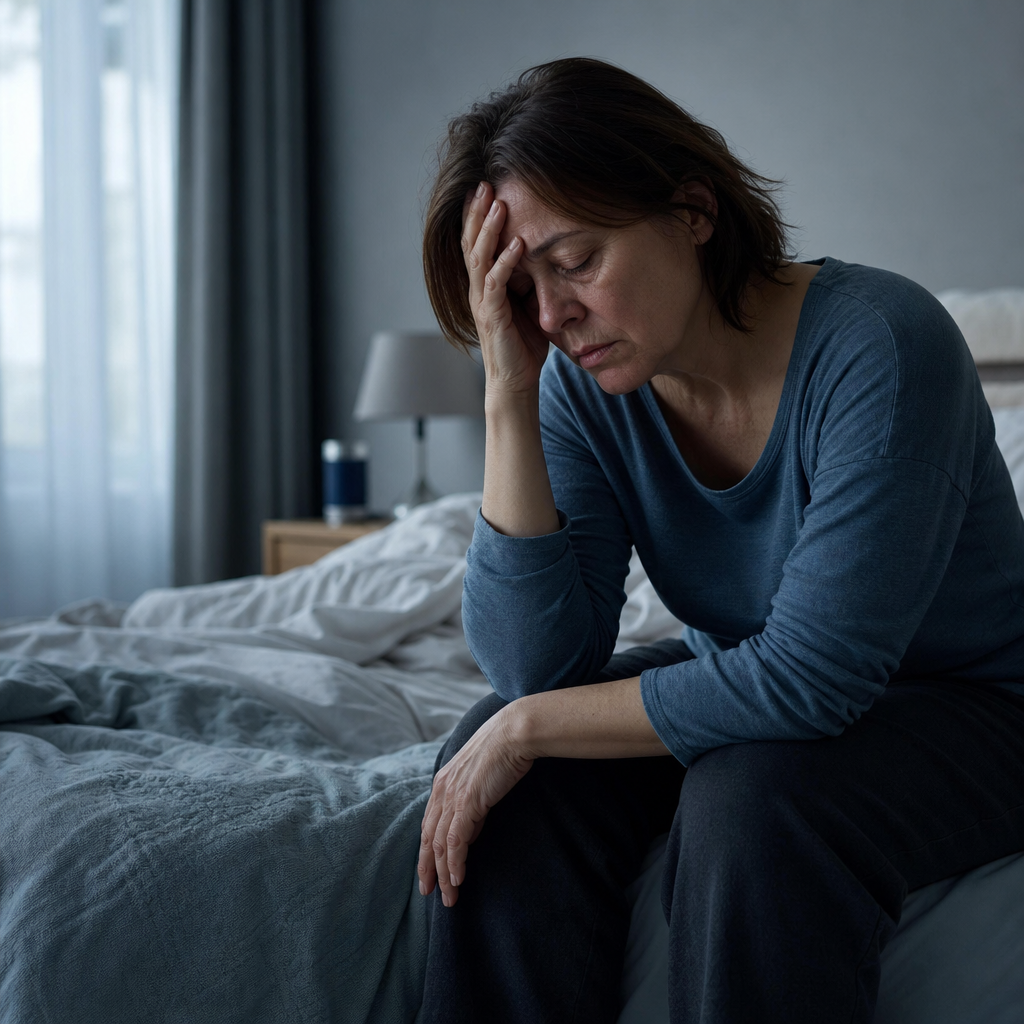
If you have ever tried to explain post-stroke fatigue to someone who has not experienced it, you have probably heard something like:
“I’m tired too.”
And maybe they are.
But post-stroke fatigue is not always the same thing as ordinary tiredness. It can feel like hitting a wall. Your brain is done. Your body is done. Sometimes both are done at the same time.
You may have taken a shower, gone to a doctor’s appointment, visited the grocery store, sat through a meeting or had a conversation in a noisy restaurant. Then suddenly, you are wiped out.
Stroke Foundation describes post-stroke fatigue as persistent weariness, tiredness or lack of energy that can worsen with activity. Survivors often describe “brain fog” or “hitting a wall,” and fatigue may affect physical, mental and emotional functioning.
It is common. A large systematic review and meta-analysis found post-stroke fatigue in about 47% of survivors worldwide, while another estimated it at approximately 50%.
So if you are struggling with this, you are far from alone.
Important: Fatigue can have many causes, both related and unrelated to stroke. New, severe or worsening fatigue should be discussed with your healthcare team, especially if it comes with new neurological symptoms, breathing problems, chest pain, fainting or other concerning changes.
What Is Post-Stroke Fatigue?
Post-stroke fatigue, sometimes called PSF, is a persistent sense of physical or mental exhaustion that develops after stroke. It may happen even when you have slept. It may appear after physical activity, thinking, concentrating or talking. Sometimes it seems to show up without much warning at all.
The American Stroke Association notes that post-stroke fatigue can occur after any type of stroke and may continue for years in some survivors.
Fatigue is not necessarily a sign that you are lazy, unmotivated or not trying hard enough. Your brain and body have been through a major injury, and recovery takes energy.
How Common Is Fatigue After Stroke?
Very. Research estimates vary depending on how fatigue is defined, when survivors are studied and which assessment tools researchers use. Reviews have reported ranges from roughly 29% to 70% or higher in some groups.
The exact percentage matters less than this: post-stroke fatigue is common enough that every survivor should know it can happen.
What Does Post-Stroke Fatigue Feel Like?
It can show up differently for different people. Some survivors describe mostly physical exhaustion. Others describe mental exhaustion. Some experience both.
You might notice:
- A sudden drop in energy
- Feeling physically heavy
- Brain fog
- Difficulty concentrating
- Slower thinking
- Difficulty making decisions
- Irritability
- Reduced tolerance for noise or crowds
- Needing to lie down after routine activities
- Feeling drained after conversations
- Difficulty finishing tasks
- Lower endurance than before your stroke
- Feeling like you have hit a wall
Fatigue may feel persistent and disproportionate to what you have actually done. That is why comparing it with ordinary tiredness can be so frustrating.
Physical Fatigue and Cognitive Fatigue Are Not Always the Same
Some survivors notice fatigue primarily in their bodies. Walking becomes harder, their legs feel heavy, their balance gets worse and they have less endurance.
Others experience cognitive fatigue. They can physically keep going, but mentally they are finished. Reading becomes difficult, conversations are harder to follow, decisions take more effort and noise becomes intolerable.
Some survivors experience both at the same time. You may look physically fine while your brain is completely exhausted. That is one reason post-stroke fatigue is often an invisible effect of stroke.
Why Am I So Tired After My Stroke?
There probably is not one simple answer. Research suggests post-stroke fatigue is multifactorial, meaning biological, physical and psychological factors may all contribute.
Possible contributors include:
- The stroke itself
- Increased effort required for movement
- Increased effort required for thinking and concentrating
- Sleep problems, including sleep apnea
- Pain
- Depression or anxiety
- Medication side effects
- Reduced physical conditioning
- Nutrition issues
- Other medical conditions
- Sensory overload
- Rehabilitation demands
After stroke, moving, thinking and talking may take more effort than they did before. Something that looks easy from the outside may not be easy for your brain anymore.
Your Brain May Be Working Harder Than Anyone Realizes
Before your stroke, you probably did not think much about walking, getting dressed, answering emails, cooking dinner, driving or following a conversation. Much of it happened automatically.
After stroke, those same activities may require conscious concentration. Your brain may be compensating, using more attention and consciously thinking through movements or tasks that once required almost no thought.
That extra effort can add up. The amount of visible activity does not necessarily reflect how much work your brain was doing.
Fatigue Can Show Up After Mental Work, Too
You do not have to exercise to become exhausted. A busy meeting, paperwork, following several people talking, making multiple decisions, driving, learning something new or socializing can all do it.
People may think, “But you were sitting down the whole time.” Your brain was not.
Sensory Overload Can Drain Your Energy
Noise, bright lights, crowds and busy environments may be especially exhausting after stroke. A quiet lunch may be manageable, while a packed restaurant with music, televisions and many conversations may wipe you out.
The more information your brain has to process, the more energy that processing may require. If sensory overload is a major part of your fatigue, our Invisible Effects of Stroke article offers additional context.
Poor Sleep Can Make Fatigue Worse
Stroke and sleep problems often overlap. Some survivors struggle with insomnia. Others sleep much more than before. Some develop sleep-disordered breathing, including sleep apnea. Poor sleep can make an already fatigued brain feel even worse.
I experienced terrible insomnia after my strokes, and I know how much harder everything became when I was not sleeping. My anxiety, emotional resilience and concentration were all worse, and everything took more effort.
If you are exhausted all the time and your sleep is not good, do not assume that is simply something you have to accept after stroke. Talk with your healthcare provider and read our guide to sleep problems after stroke.
Depression, Anxiety and Fatigue Can Overlap
Fatigue and depression are not the same thing, but they can overlap. Depression may cause reduced energy, difficulty sleeping, loss of motivation and withdrawal. Anxiety can be exhausting too, especially when you are constantly monitoring your body or worrying about another stroke.
Your healthcare team may need to consider sleep, mood, medications, pain, activity level and overall health. Fatigue is not always one isolated problem.
Medication Can Sometimes Contribute
Some medications can cause tiredness or drowsiness. That does not mean you should stop taking them. Please do not. If fatigue became significantly worse after a medication was added or changed, bring it up with your healthcare provider or pharmacist. There may be alternatives, dose adjustments or other strategies available.
What Does “Pacing” Mean After Stroke?
One of the most useful concepts for managing fatigue is pacing. Pacing means balancing activity with recovery rather than pushing until you have completely depleted yourself.
Think about your energy like a budget. You only have so much available today. If you spend all of it before noon, you cannot necessarily force your body and brain to magically produce more.
“If I do this now, what won’t I be able to do later?”
That question captures life with post-stroke fatigue better than almost any clinical definition.
Stop Waiting Until You Crash
Many survivors do not rest until they have no choice. They push and push, then suddenly they are done—sometimes for hours or for the rest of the day.
Try paying attention to your early warning signs:
- Losing concentration
- Making more mistakes
- Becoming irritable
- Dragging your foot or feeling less steady
- Struggling to follow conversations
- Feeling physically heavy
- Developing a headache
- Feeling overwhelmed by sound
- Forgetting what you are doing
Rest does not have to be what you do after you have failed to keep going. It can be part of the plan.
The Boom-and-Bust Cycle
You feel good, so you do everything: laundry, errands, cleaning, appointments, lunch and maybe a workout. You think, “Finally! I am getting back to normal.” Then the next day you are completely wiped out.
This is sometimes called a boom-and-bust cycle. A steadier pace may work better than trying to squeeze an entire week’s worth of living into every good day. Tomorrow counts, too.
Prioritize What Actually Matters
Fatigue may force you to become selective. Ask: What actually matters today? Dishes can wait. Groceries can be delivered. You may need to choose between three errands instead of doing all three, or save your energy for dinner with family rather than cleaning the house.
This is not giving up. It is deciding where your limited energy is most valuable.
Build Rest Into the Day
Rest does not have to be earned. You do not have to reach complete exhaustion before you are allowed to stop. Planned rest may help preserve energy for the rest of your day.
Rest might mean lying down, sitting somewhere quiet, closing your eyes, turning off screens, taking a sensory break, meditating or simply doing nothing for a while. Recovery itself is work.
Does Exercise Help Post-Stroke Fatigue?
Physical activity may help some survivors with conditioning, mood, sleep and function. But telling someone with post-stroke fatigue to simply “exercise more” is overly simplistic.
A 2024 systematic review found that research includes physical therapy, psychological approaches and other interventions, but the evidence remains limited and more high-quality research is needed.
The goal is not to push through exhaustion. Find an appropriate level of activity with your rehabilitation team or healthcare provider, especially if you are deconditioned or have mobility, heart or other medical concerns.
There Is Not One Proven Cure
There is not currently one universally effective treatment for post-stroke fatigue. Research into medications, exercise, psychological interventions and other approaches is ongoing.
That does not mean nothing can help. Management often involves identifying contributing factors and finding a combination of strategies that works for the individual survivor.
Be skeptical of anyone promising to “cure” your post-stroke fatigue with a supplement, program or product.
Keep a Fatigue Diary
If you are having trouble understanding what is wiping you out, track it for a week or two. You do not need anything elaborate. Write down:
- What you did
- What time you did it
- How tired you felt before
- How tired you felt afterward
- How you slept the night before
- Whether the environment was noisy or busy
- Whether you ate and drank enough
- How long you needed to recover
Patterns may start to appear. Maybe appointments exhaust you more than you realized, noise is a major trigger or two demanding activities on the same day are too much. That information can help you and your healthcare team.
Eat and Drink Regularly
Fatigue is not always neurological. Dehydration, inadequate nutrition and other medical issues can make anyone feel worse. Try to eat regularly and stay hydrated according to the guidance you have received from your healthcare team.
If swallowing difficulties, appetite changes, medications or other issues interfere with eating and drinking, tell your care team.
What About Caffeine?
Coffee may help you feel temporarily more alert, but caffeine does not treat the underlying cause of post-stroke fatigue. Too much can interfere with sleep or worsen anxiety in some people.
Feeling temporarily more awake is not necessarily the same as having more neurological capacity. You can still overdo it.
Returning to Work With Post-Stroke Fatigue
Work can expose fatigue very quickly. Even a job that is not physically demanding may require hours of concentration, decision-making, meetings, reading, writing, computer use, multitasking, social interaction and commuting.
A gradual return may be more realistic than jumping directly into a full schedule. Possible accommodations include reduced hours, additional breaks, remote-work options, fewer back-to-back meetings, reduced distractions, flexible start times and written instructions. Our Returning to Work After Stroke article goes into this in more detail.
Fatigue Can Affect Relationships, Too
You may cancel plans, go to bed earlier or stop doing things you used to enjoy. Your partner may think you are withdrawing. Friends may stop inviting you. Family members may not understand why you are exhausted when you “did not do anything.”
Try to explain what is happening when you can: “I want to be there. My brain just does not have the same amount of energy it used to.” Or: “If I rest now, I may be able to do something later.”
What I Wish Family and Friends Understood
If you love a stroke survivor, please do not measure her energy against your own. Do not assume that because she looks fine, she should be able to keep up.
Instead of “We are all tired,” try “What does fatigue feel like for you?” Instead of “You need to push yourself,” try “Do you need a break?” A good day does not guarantee another, and needing rest is not evidence that someone has stopped trying.
When Should You Talk to Your Healthcare Team?
If fatigue is significantly affecting your life, talk with your healthcare provider. This is especially important if it is severe, getting worse, preventing rehabilitation, keeping you from basic activities, affecting work, associated with severe depression, combined with major sleep problems, new after a medication change or accompanied by shortness of breath, chest pain or other concerning symptoms.
Your healthcare team may consider sleep disorders, medications, anemia, thyroid problems, depression, pain and other medical conditions. Fatigue after stroke is common, but every episode should not automatically be blamed on the stroke.
Sudden Neurological Symptoms Are Different
Fatigue itself can fluctuate. Sudden new neurological changes are not something to simply sleep off.
If you develop sudden facial drooping, arm or leg weakness, numbness, speech difficulty, trouble understanding speech, vision changes, severe dizziness, loss of balance or confusion, call 911 in the United States or your local emergency number.
Do not assume it is “just fatigue.”
Frequently Asked Questions About Post-Stroke Fatigue
Is post-stroke fatigue normal?
It is very common. Large research reviews suggest that roughly half of stroke survivors experience post-stroke fatigue, although estimates vary depending on the study and how fatigue is measured.
How long does post-stroke fatigue last?
There is not one timeline. Fatigue improves for some survivors and persists for months or years for others. The American Stroke Association notes that some survivors experience fatigue for years after stroke.
Why am I tired even after sleeping?
Post-stroke fatigue is not always caused by a lack of sleep. Neurological, physical, emotional and other factors may contribute. Sleep disorders can make fatigue worse, so persistent fatigue and poor sleep are both worth discussing with your healthcare team.
Is post-stroke fatigue the same as depression?
No. Fatigue and depression are different conditions, although they can occur together and share symptoms such as low energy. Tell your healthcare provider about persistent sadness, loss of interest, hopelessness or other major mood changes.
Can thinking make you tired after a stroke?
Yes. Concentrating, reading, making decisions, following conversations and multitasking can be exhausting for some stroke survivors. Mental fatigue can be every bit as real as physical fatigue.
Should I push through post-stroke fatigue?
More is not always better. Pushing until you are completely exhausted may leave you unable to function later. Pacing activities and balancing activity with rest may be more sustainable. Ask your rehabilitation team what level of activity is appropriate for you.
Can post-stroke fatigue affect walking or driving?
It can. Fatigue may affect strength, concentration, balance, coordination, attention, reaction time and decision-making. If walking becomes less safe or driving feels difficult when you are tired, talk with your healthcare team and avoid driving when you feel cognitively or physically exhausted.
Can post-stroke fatigue improve?
It can improve for some survivors, but there is no predictable timeline. Stroke Foundation notes that fatigue may improve over time, while also acknowledging that it is difficult to predict how much or how quickly.
You Do Not Have to Earn Your Rest
This is the part survivors need to hear most. Before stroke, rest may have felt optional—something you did after everything else was finished. After stroke, rest may become part of how you function.
Needing rest does not mean you are weak. It does not mean you are lazy or that you have given up on recovery. It may simply mean your brain and body are telling you what they need.
Some days you will have more energy. Some days you will have less. Some days you will plan everything carefully and your brain will still decide it is done at 2 p.m. That is frustrating, and it is part of learning your new limits.
You should not have to defend why you are tired or prove that you have done enough to deserve a break. Your recovery is not measured by how exhausted you are willing to make yourself.
More Stroke Sisters Resources
You may also find these Stroke Sisters articles helpful:
- Invisible Effects of Stroke: When You Look Fine but Do Not Feel Fine
- Sleep After Stroke: Why You Cannot Sleep (or Cannot Stop Sleeping)
- Mental Health After Stroke
- Returning to Work After Stroke
- Stroke Recovery Timeline: What to Expect After a Stroke
- What to Expect After a Stroke
Sources and Further Reading
A survivor-friendly overview of fatigue, possible contributors and practical management strategies.
A meta-analysis of 66 studies involving 11,697 stroke survivors.
A major review that estimated post-stroke fatigue prevalence at approximately 50%.
A 2023 review of current evidence around causes, assessment and management.
A 2024 systematic review examining physical, psychological and other non-drug interventions.
A scientific statement reviewing prevalence, impact, possible causes and treatment evidence.
Practical information about fatigue, lifestyle factors, emotional changes, physical effort and medication effects.
Medical Disclaimer: Stroke Sisters is not a medical provider. This article is for educational and supportive purposes only and is not intended as medical advice, diagnosis or treatment. Fatigue can have many causes, and recommendations should be individualized to your medical history and recovery needs. Always talk with qualified healthcare professionals about persistent or worsening symptoms.