_1765581354215-B3gV1V2H.png)
September 12, 2026
Why Do I Feel Worse Months After My Stroke?
A candid look at fatigue, brain fog, anxiety, insomnia and why recovery can feel harder when everyday demands return.
Read article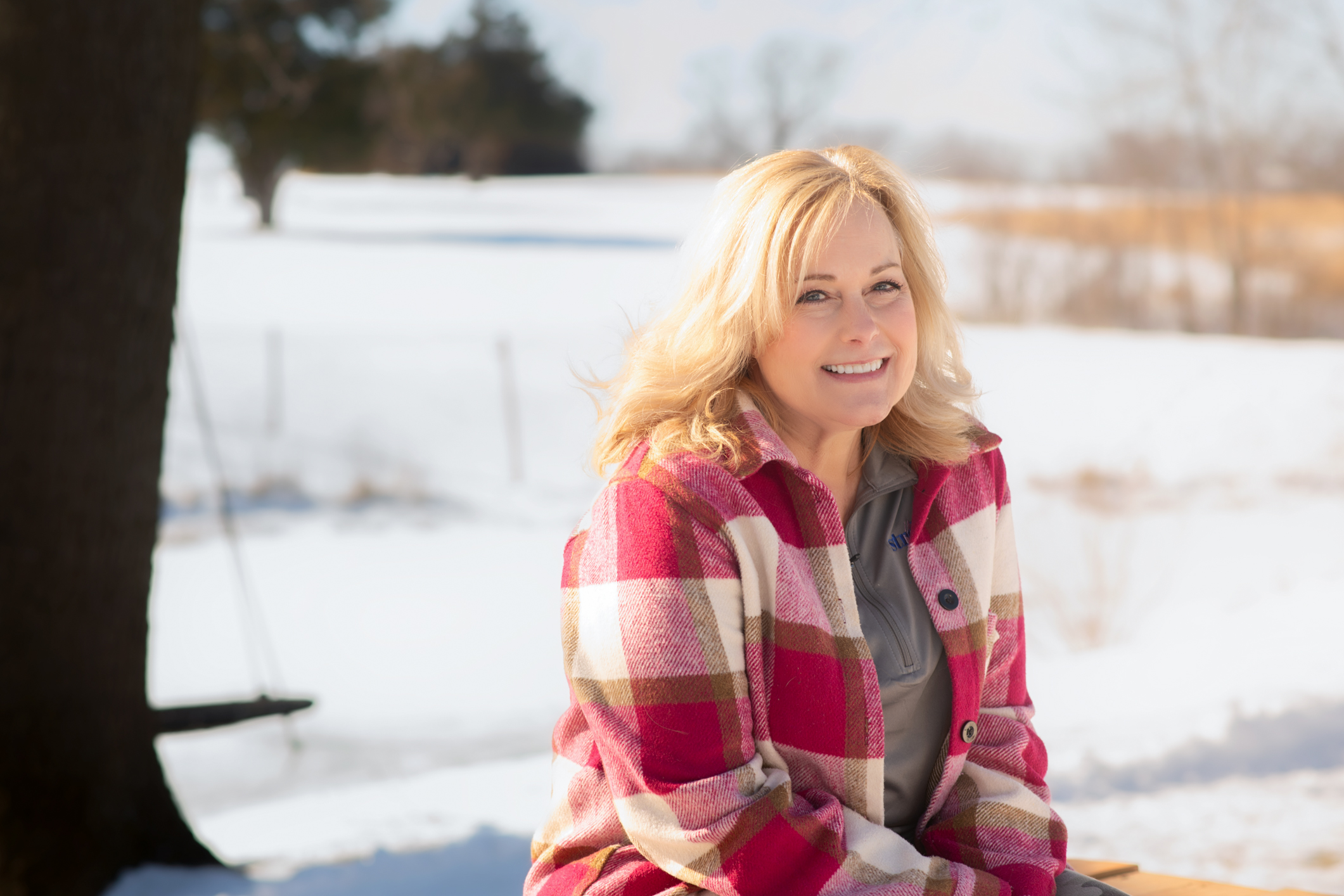
Two-time stroke survivor, founder of Stroke Sisters and a writer for women navigating the parts of recovery people do not always see.
Angie Read was 46 when a massive stroke changed the direction of her life. Before her stroke, she was an active, healthy woman with a 20-year career in public relations and communications. The physical recovery was difficult, but the anxiety, depression, fatigue and loss of confidence that followed were challenges she did not expect.
As Angie worked to rebuild her life, she wanted to connect with other women who understood the experience: women who looked fine on the outside while privately managing fear, exhaustion, cognitive changes and an unfamiliar body.
That need became Stroke Sisters. Angie created the community so female stroke survivors and caregivers could find practical support, honest conversations and connection without having to pretend recovery is simple.
Today, Angie shares what she has learned as a two-time stroke survivor. Her writing covers visible and invisible effects of stroke, emotional recovery, fatigue, returning to everyday responsibilities, sensitive symptoms and the ongoing work of building a meaningful life.
“I built Stroke Sisters because I never want another woman to feel as alone as I did.”
Angie’s perspective is grounded in lived experience, not medical credentials. She does not diagnose, prescribe treatment or replace a qualified healthcare professional. Her goal is to help survivors recognize what they may be experiencing, prepare better questions and feel less alone while they seek appropriate care.
Stroke recovery information deserves empathy and care. Every article is designed to be useful without overstating what one survivor’s experience can tell another person.
Angie’s personal stories are presented as lived experience, not universal medical guidance.
Clinical context points readers to established health organizations and encourages conversations with providers.
Articles include appropriate care guidance and clear instructions to call 911 for sudden stroke symptoms.
Medical disclaimer: Stroke Sisters is a peer-support and education community, not a medical provider. Angie’s articles are not a substitute for diagnosis, treatment or individualized medical advice.
If you notice sudden face drooping, arm weakness, speech difficulty or other possible stroke symptoms, call 911 immediately—even if symptoms improve—and do not drive yourself.
A candid look at fatigue, brain fog, anxiety, insomnia and why recovery can feel harder when everyday demands return.
Read articleAn honest, dignity-centered guide to bladder and bowel changes after stroke, what may help and when to seek care.
Read articleWhat sudden crying, laughing and intense emotions can feel like after stroke, and why support matters.
Read articleThe fatigue, brain fog, sensory changes, anxiety and sleep problems that other people may not see.
Read articleA survivor-centered guide to depression, anxiety, grief, identity and finding support after stroke.
Read articlePractical ideas for safety, pacing, continued rehabilitation and rebuilding independence at home.
Read articleStroke recovery includes difficult and sensitive conversations. Share a topic or explore the community’s resources.